Tag: Gyeongbokgung

  • Seoul, Korea Wednesday 20 November 2019

    Seoul, Korea
    Wednesday 20 November 2019

    Barely 27 degrees this morning, and it was cold. I trotted back to Gyeongbokjung to find the lovely English-speaking tour guide there, whose American name is Jennie. She not only made some identifications and taught me more, but she inveighed her expert contacts into identifying items and has taken on the job of contacting others to help her ( and help me) in more identifications. How lovely to have someone else — someone who knows —doing this research.

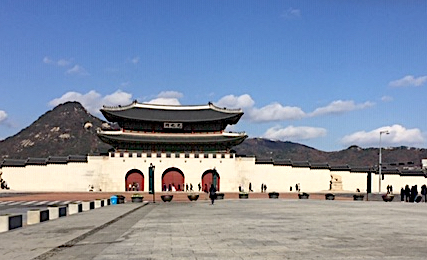
    Gyeongbokgung, the royal palace, has a long and royal history. It was built by and for the Joseon Dynasty, which held power from 1392 until 1912, an impressive stretch, and I believe the longest reign ever held by any one royal family. The word “Gyeongbok” in translation means “The new dynasty will be greatly blessed and prosperous” and “gung” means palace—an efficient use of words, I daresay. But then, Geunjeongjeon  the name of the main throne room of Gyeongbokgung, means “All affairs will be properly managed if your Majesty demonstrates diligence.”

    Gyeonbokgung was founded n 1395, expanded in 1492, and burned to the ground by the Japanese in 1592. It was reconstructed in 1867 and removed by the Japanese in 1915.  Reconstruction began once again in 1990 on its native and present site, and the reconstruction seen today completed in 1910. 

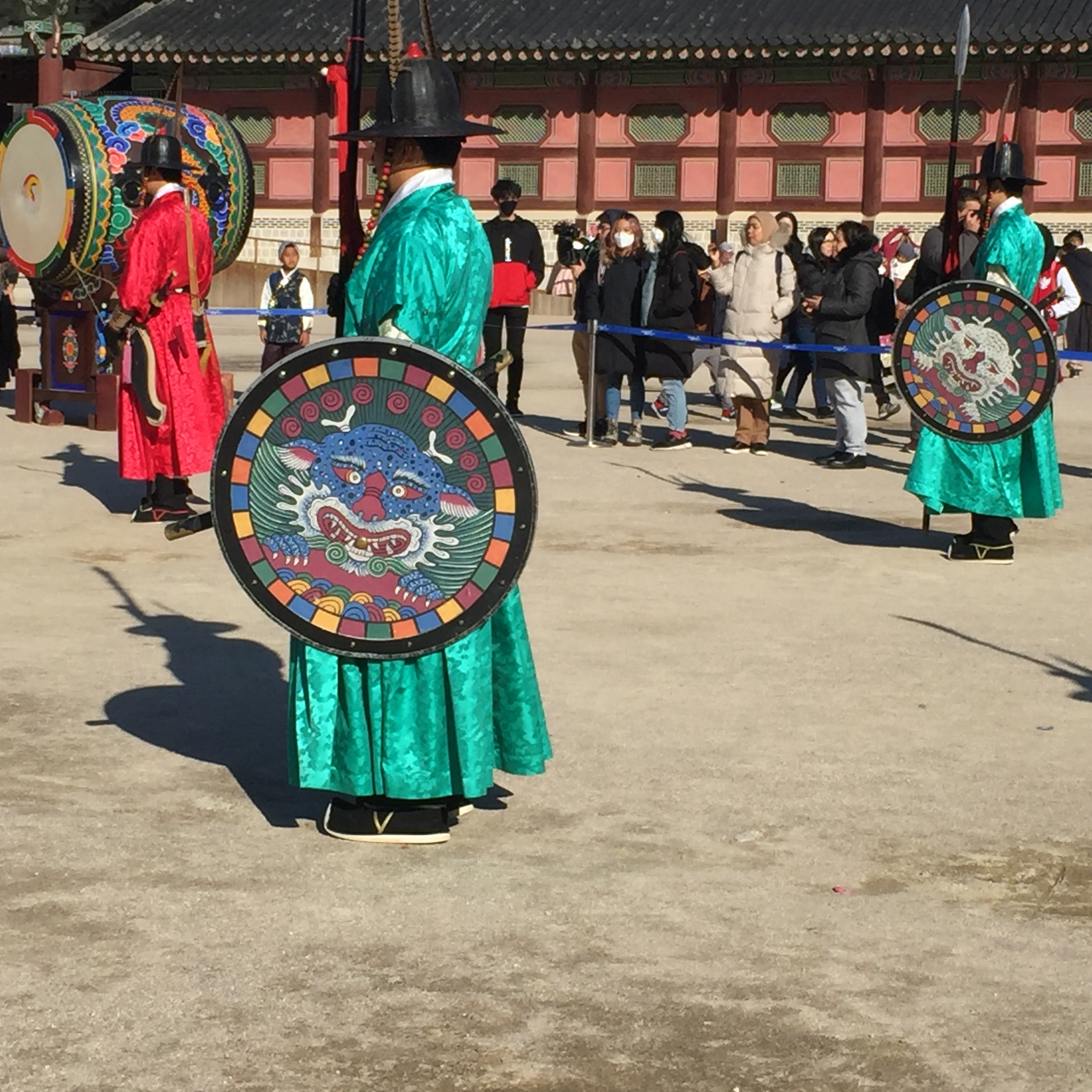
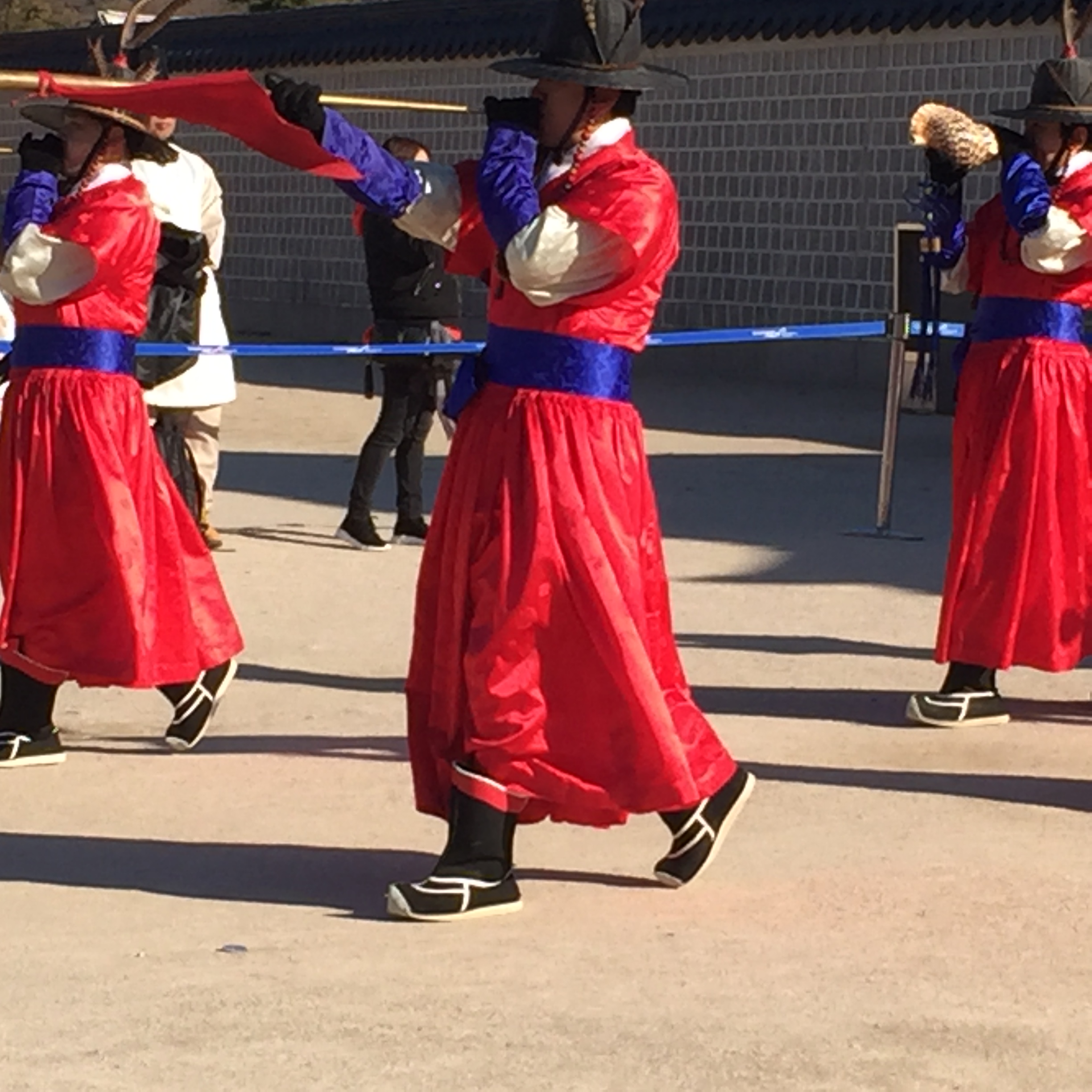
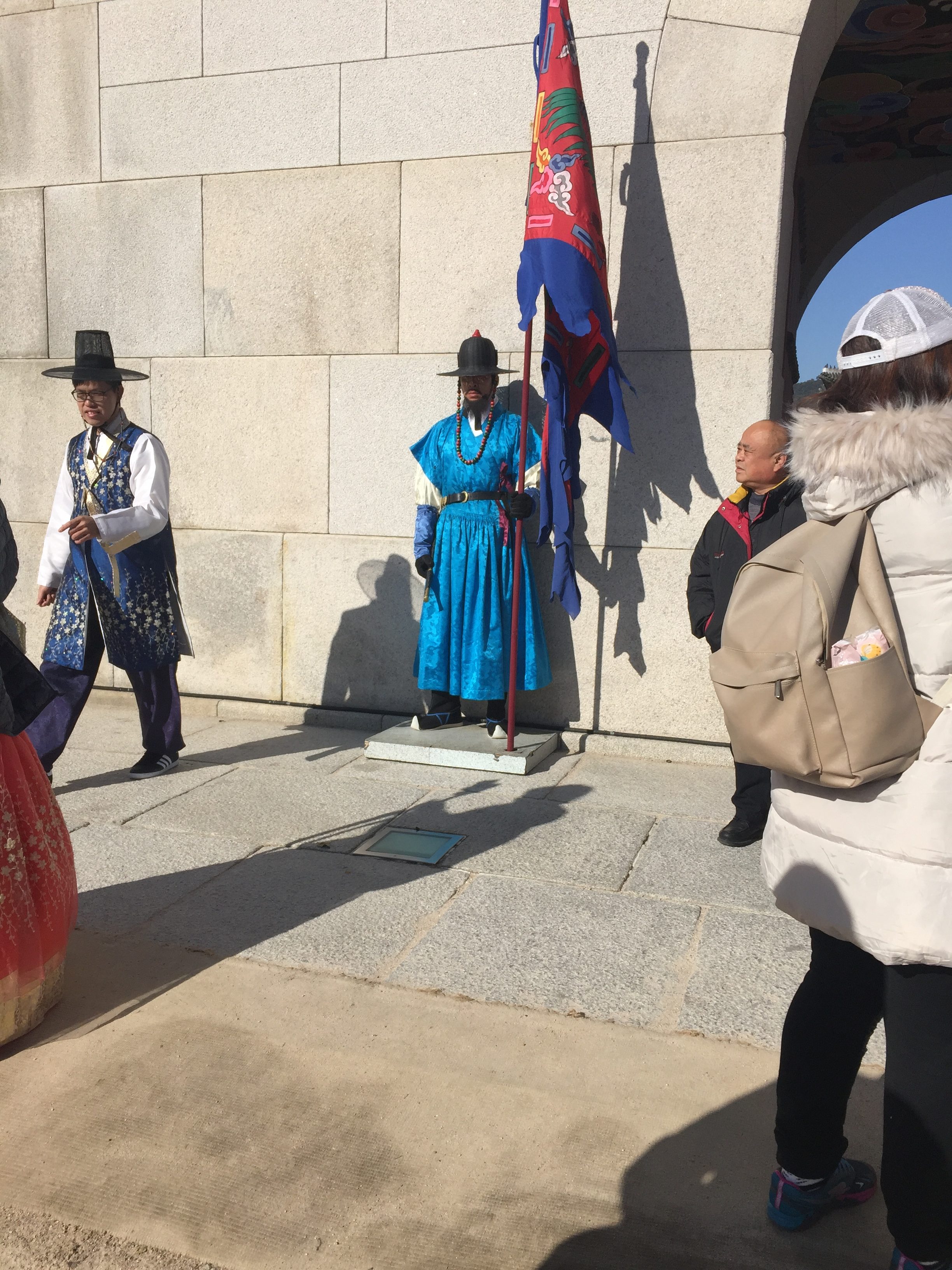
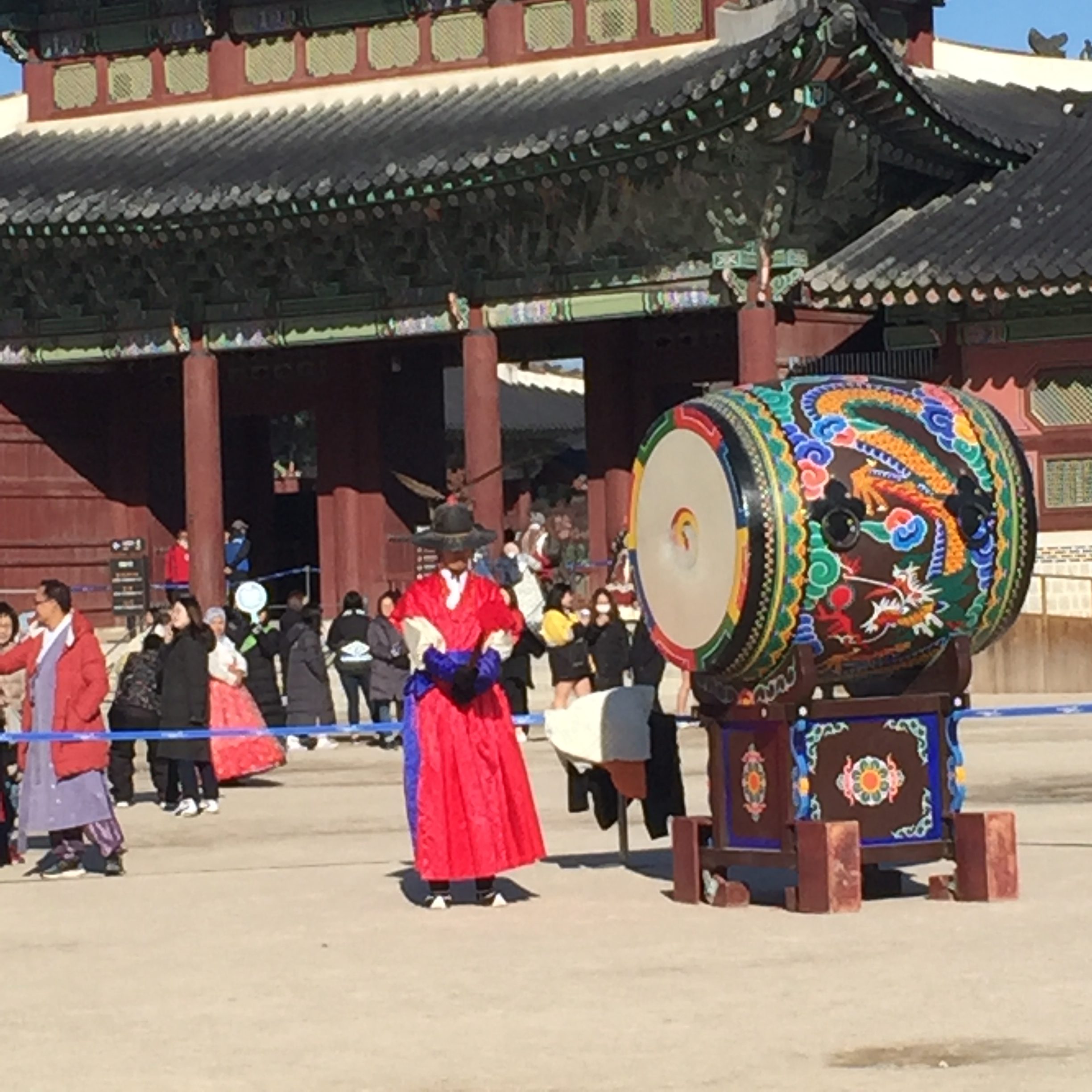
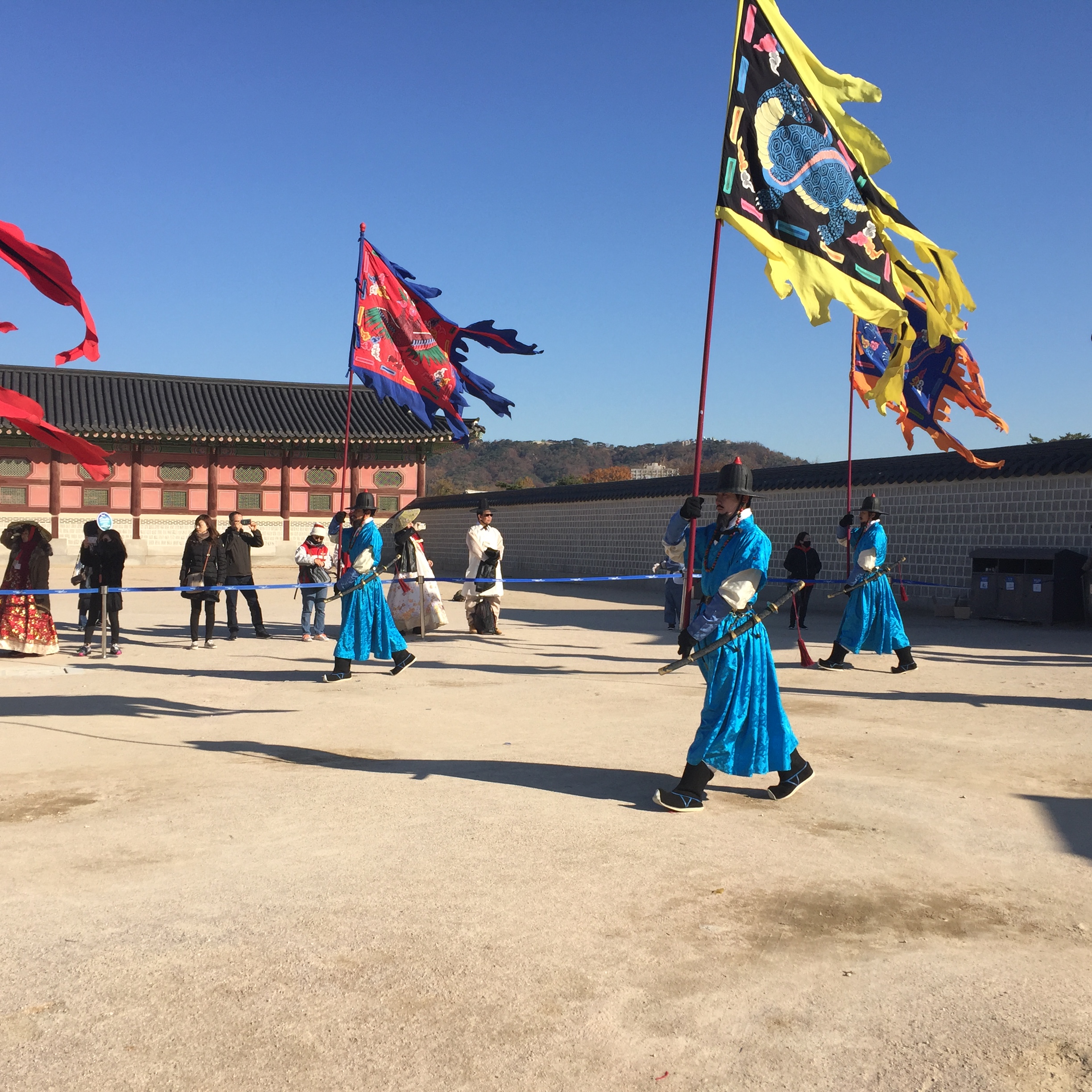
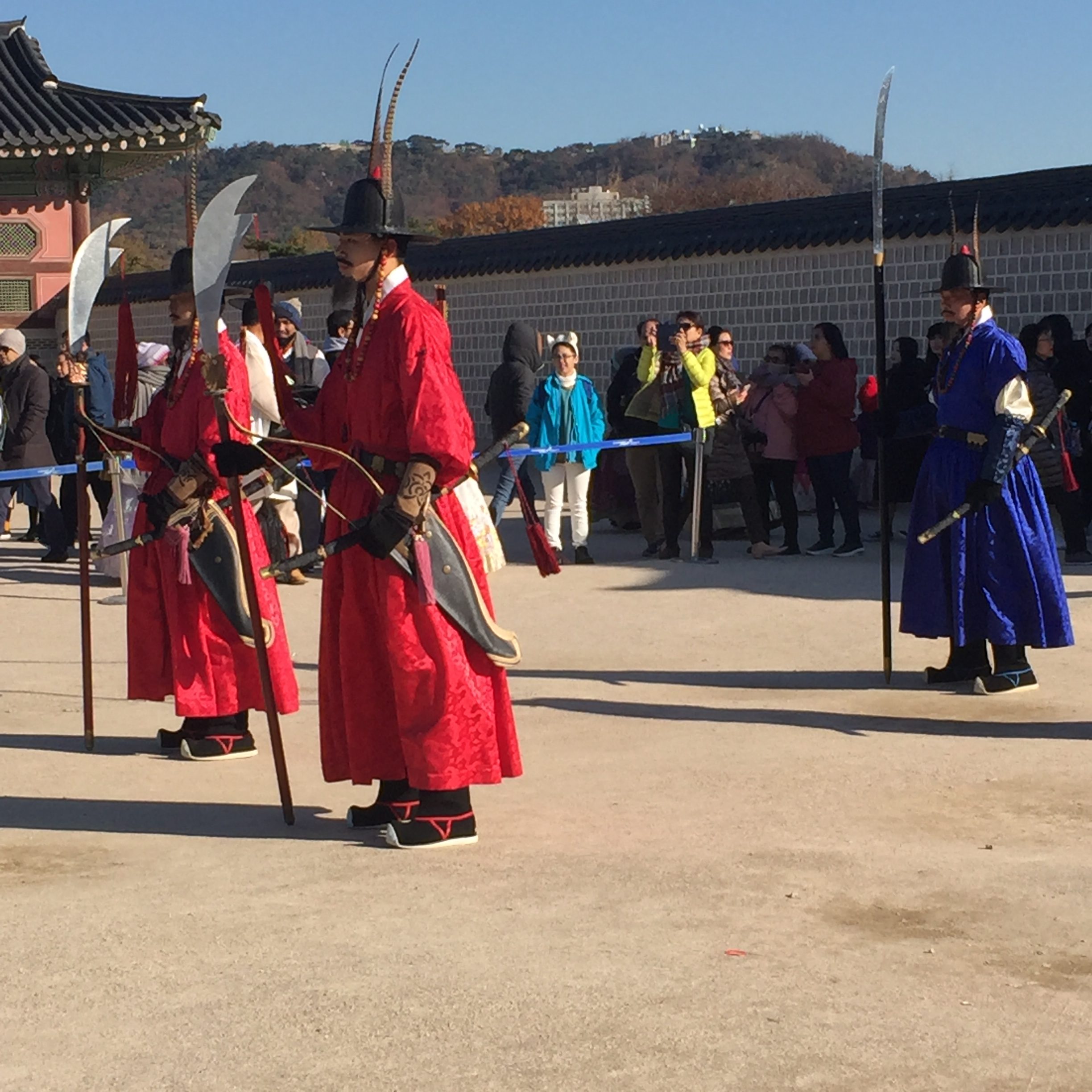
    The Korean populace apparently love the palace as much as the tourist, and everyone loves the recreation of the Changing of the Guards ceremony, usually held twice a day at Gyeongbokgung and the other palaces. As you can see from these photographs below, the uniforms are bright; the banners colorful and waving; and the music, which you cannot hear, is very loud and very brassy and  punctuated by regular loud thumps on the highly decorated drum, the thumps requiring a full-body workout by a full bodied Korean man.

    Sorry ladies, but no females involved in these exercises; this is strictly an all-boys show. “You go home now and attend to your work, the loom and the spindle, and tell the waiting-women to get on with theirs,” says Hector to his wife, Andromache, in the Iliad. “War is men’s business.”  FMR: It should not be anybody’s business.
  • Seoul, Korea Tuesday 19 November 2019

    Seoul, Korea
    Tuesday. 19 November 2019

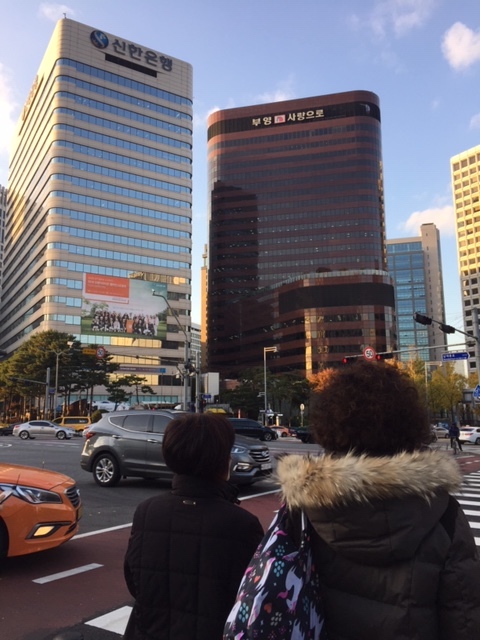
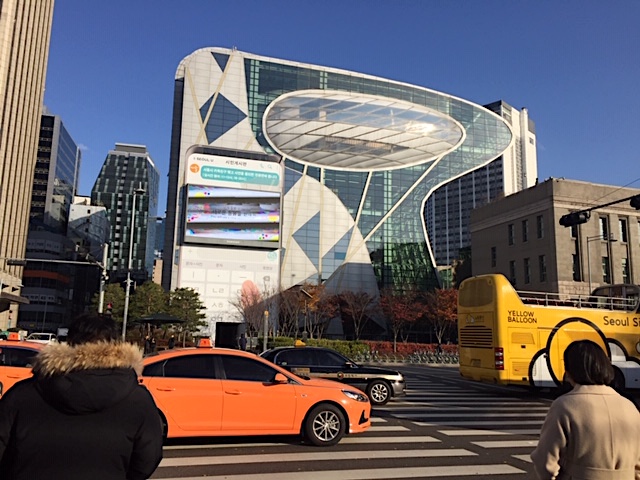
    Off to the National Museum of Contemporary History. On my way past the government skyscrapers and the mountains behind Gyeongbokgung (a word that spills easily from my tongue, quite proud of that) sharp and beautiful. But first to the Tourist Bureau to ask how to get there. And wasn’t that my lucky day. The woman at the Bureau asked about my work and, of course, I was too happy to show her. She had a degree In Japanese Studies and was well acquainted with my discipline. She found all kinds of interesting things in the photos and made many suggestions. Nobody else was in the office, and no tourists came by, so she and I talked on. It was a constructive morning for “Korea 1908.”  I did go to the Museum as well, finished up, and found  had a couple of hours in which to be a tourist myself.


    It was clear but cold: 29 degrees when I woke up and not much higher the rest of the day. I wore all my clothes, and I do mean all. My friend Wayne says the best way to learn a city is to walk it. Seoul is the perfect city for walking. You can always navigate by peering through the skyscrapers and finding the mountains behind and to the right of  Gyeongbokgung Palace. Now I could navigate and had time to visit Namdaemun Market, which is where all the tourists and natives as well go at least for really fresh fish.


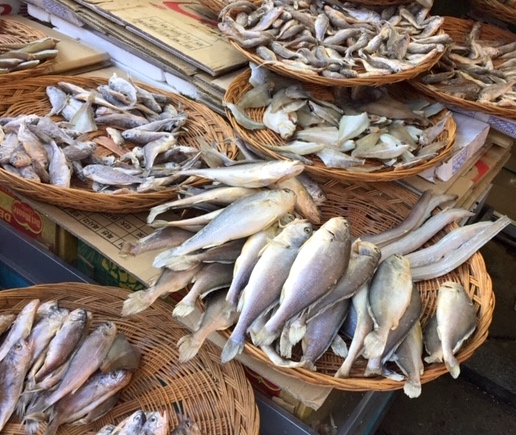
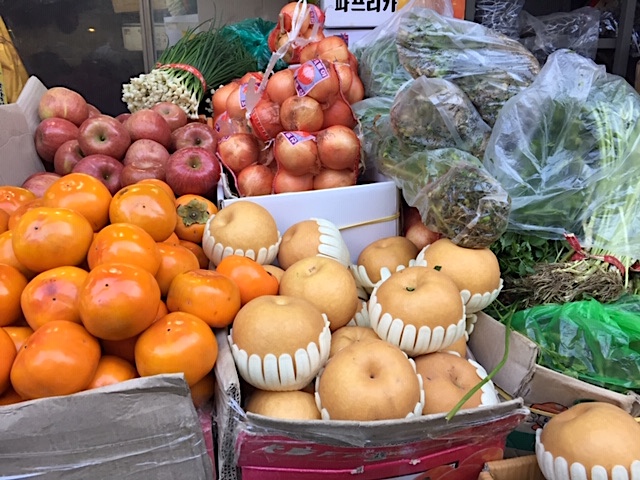
    Namdaemun Market is next to Namdaemun Gate, one of the original gates of old Seoul. In the Market were the usual array of clothes and shoes and kitchen things, but I wanted to see the food and the Korean Crafts. Ah! the food. An amazing array of fish. Plenty of persimmons, but only one kind of apple, crisp enough, but only one variety in the Namdaemun as well as any of the smaller markets. Many things which I did not know the name of: dried fish, different nuts, Chinese dates. Many deep fry stands selling deep fried fish and varieties of dumplings and doughnuts. (There is a big Dunkin’ Donuts in Seoul.)  I was there late, but it did seem as though there was not much fresh produce. Then to the Korean Folk Crafts. They were on a second floor. 


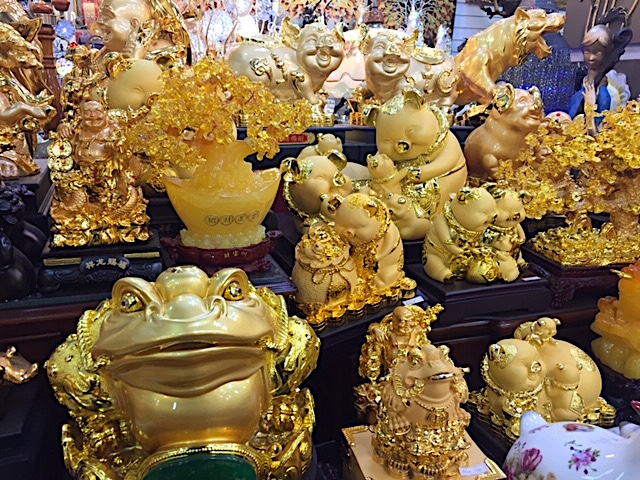
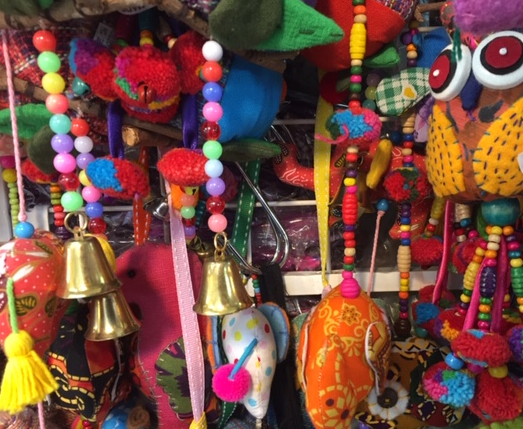
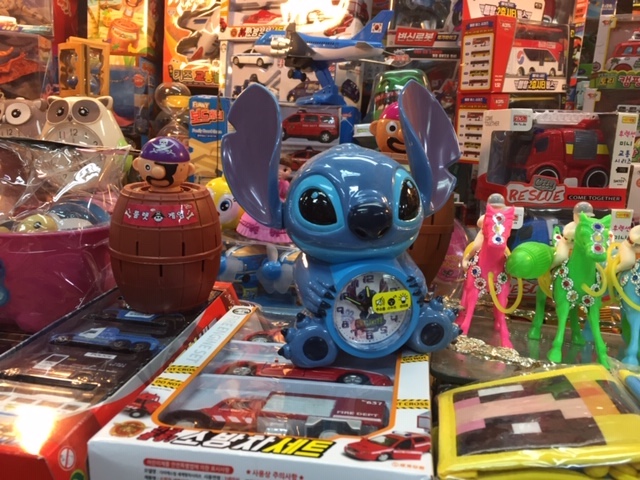
    I do not know what kind of “folk” make the crafts that I saw displayed. Most appeared to be a knock-off of Disney. Others boggled the brain. You can blow up the photos and judge for yourself.

    Walked home feeling like a county rube, for I can never get over the marvel of these buildings that tower over the walker. Such a feat of engineering and so many of them and they are so tall. But to live so far away from the ground itself? 

  • Sunday 4 November 2018

    Sunday, 4 November 2018

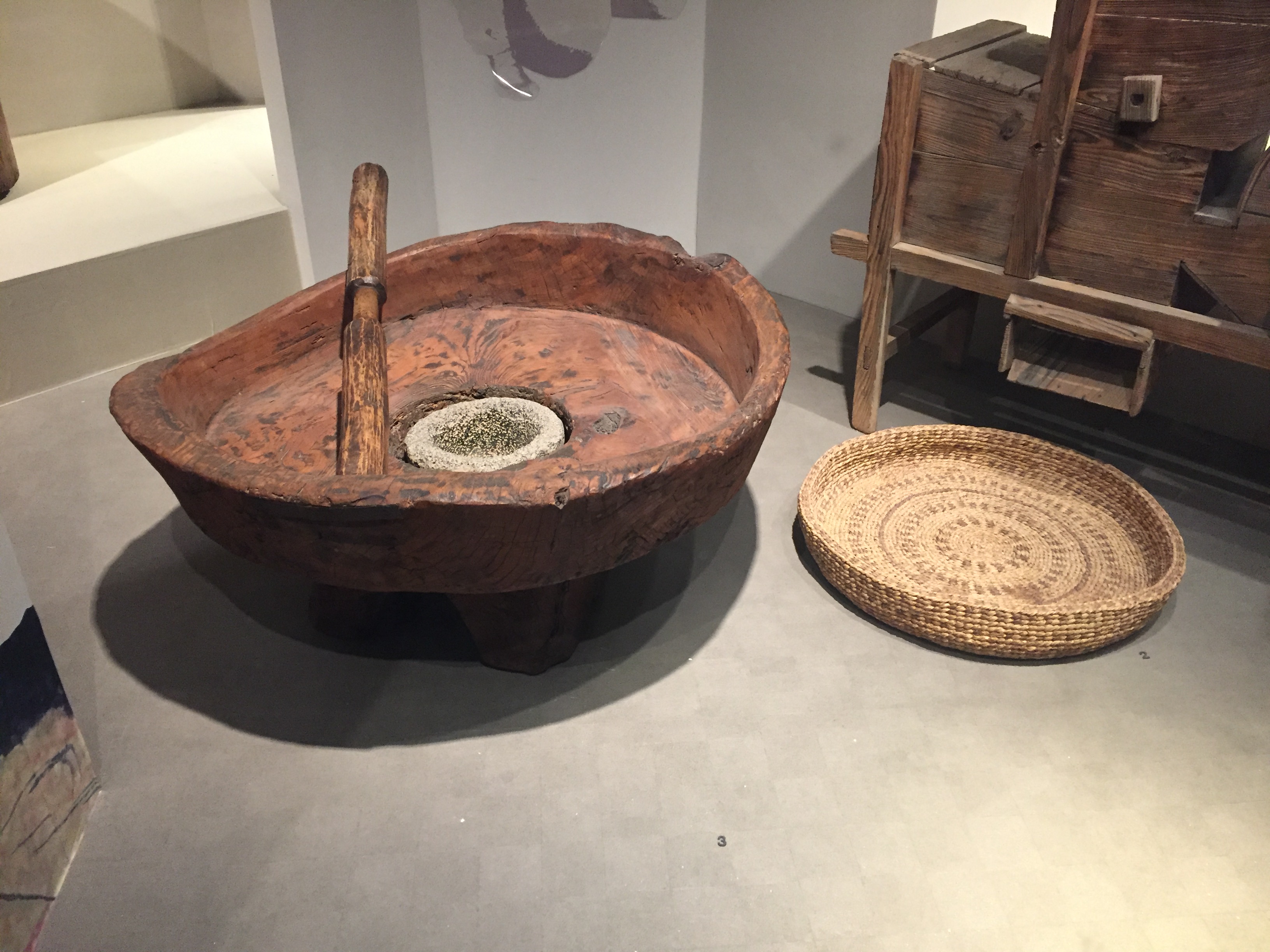
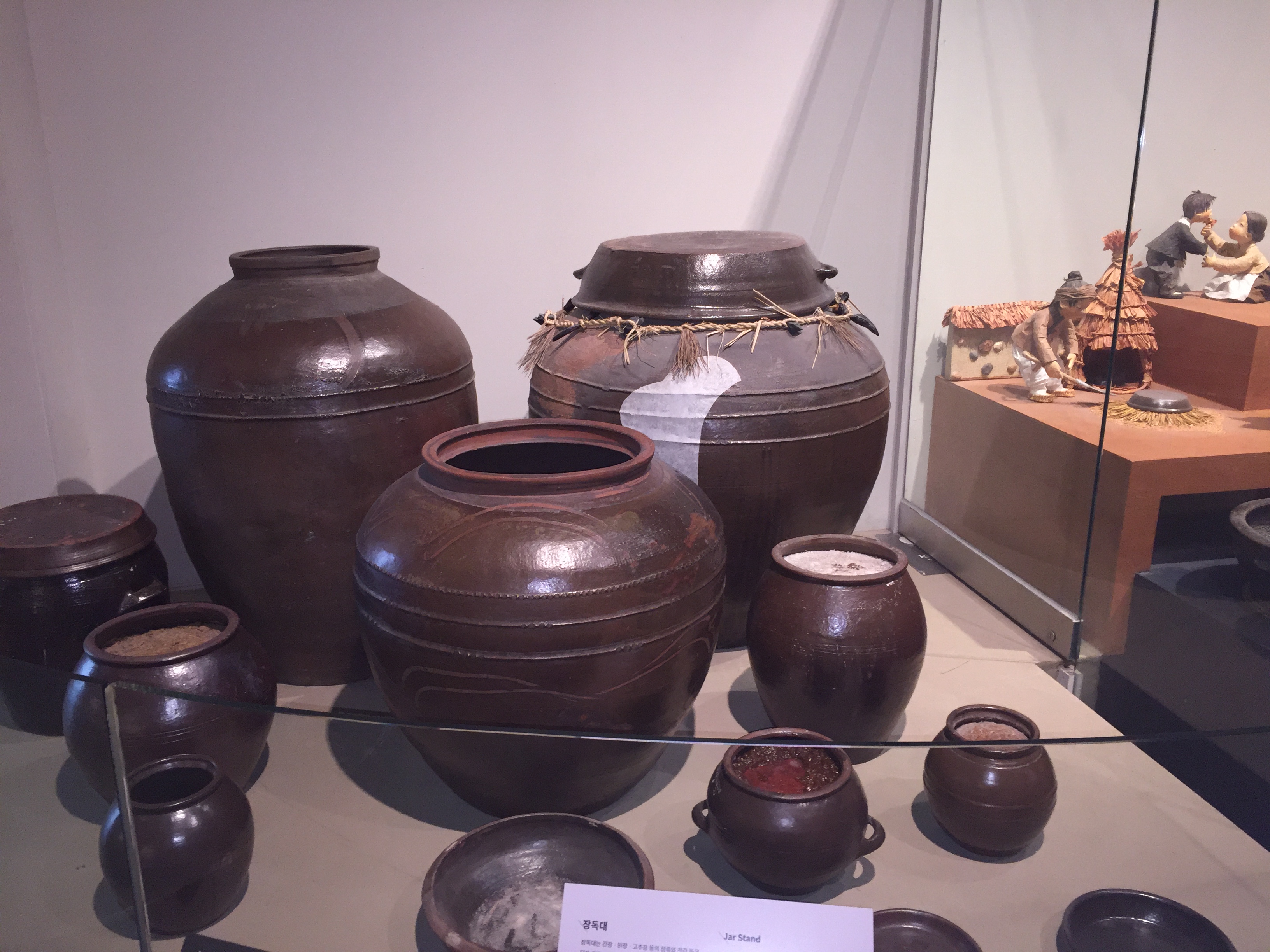
    A trip to the Folk Museum, which is situated by the vast Gyeongbokgung with its spacious courtyards and many ancillary buildings. The Folk Museum building is beautiful and spacious and within are displayed the common tools, farming implements, looms, bowls, kitchen aids used by the Folk. These are, of course, much cleaned up so that the functional beauty can be appreciated. Everything is brown, of wood or clay, practical and useful and attractive in it simplicity. Such a contrast to what you see in the Palaces Museum.


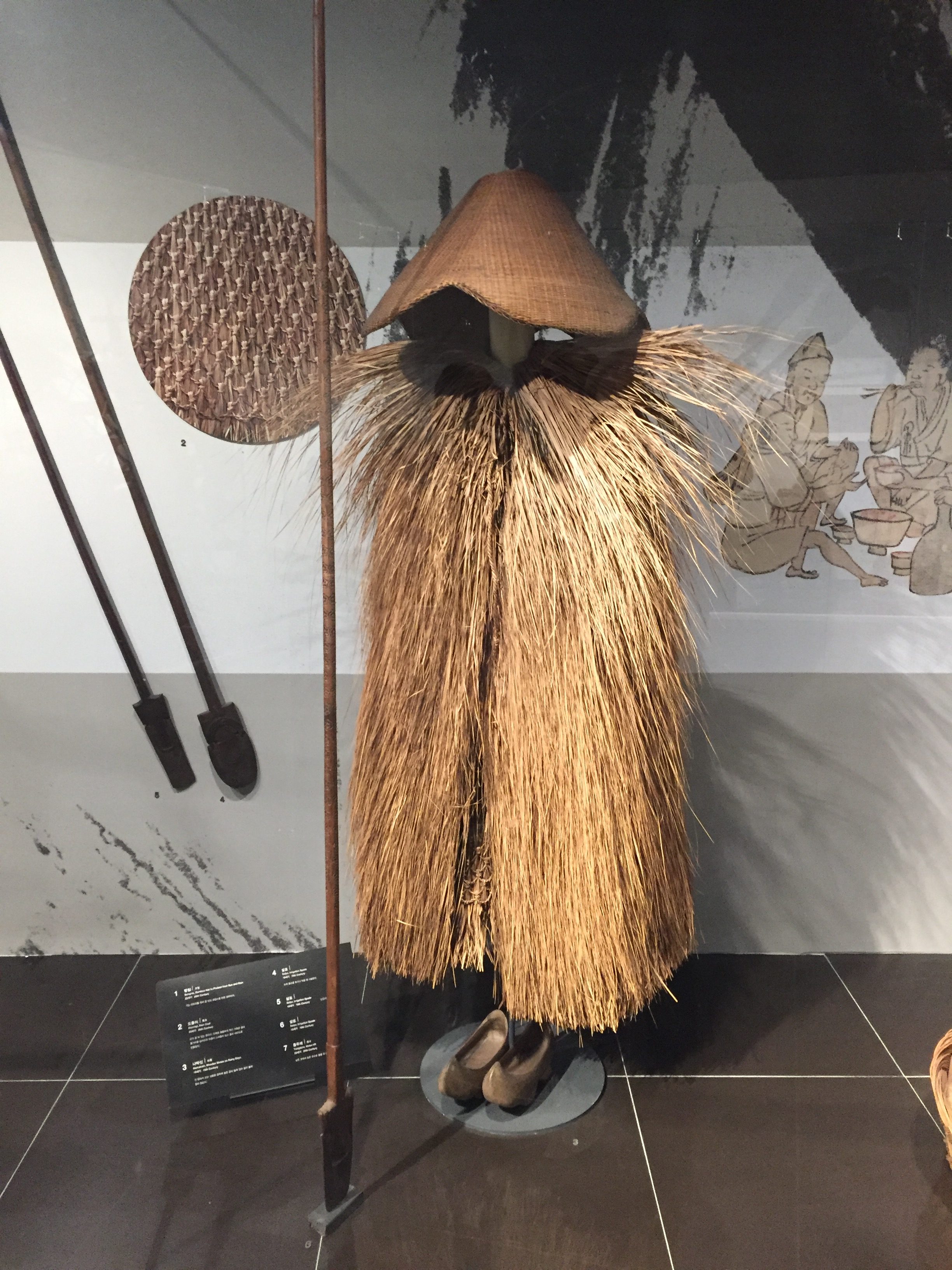
    But this is the way ninety percent of the people lived, so it is fitting that  their lives should be set out and recalled. Reproductions of the houses of the peasants and middle class are inside the museum as well as of the clothes worn by both classes. The Curator must have a sense of humor. Under the caption “Water Management” is set on a manikin a straw raincoat, just as were used in Japan and exactly like one worn by Clarence Gamble for a photo when he was in Japan. 


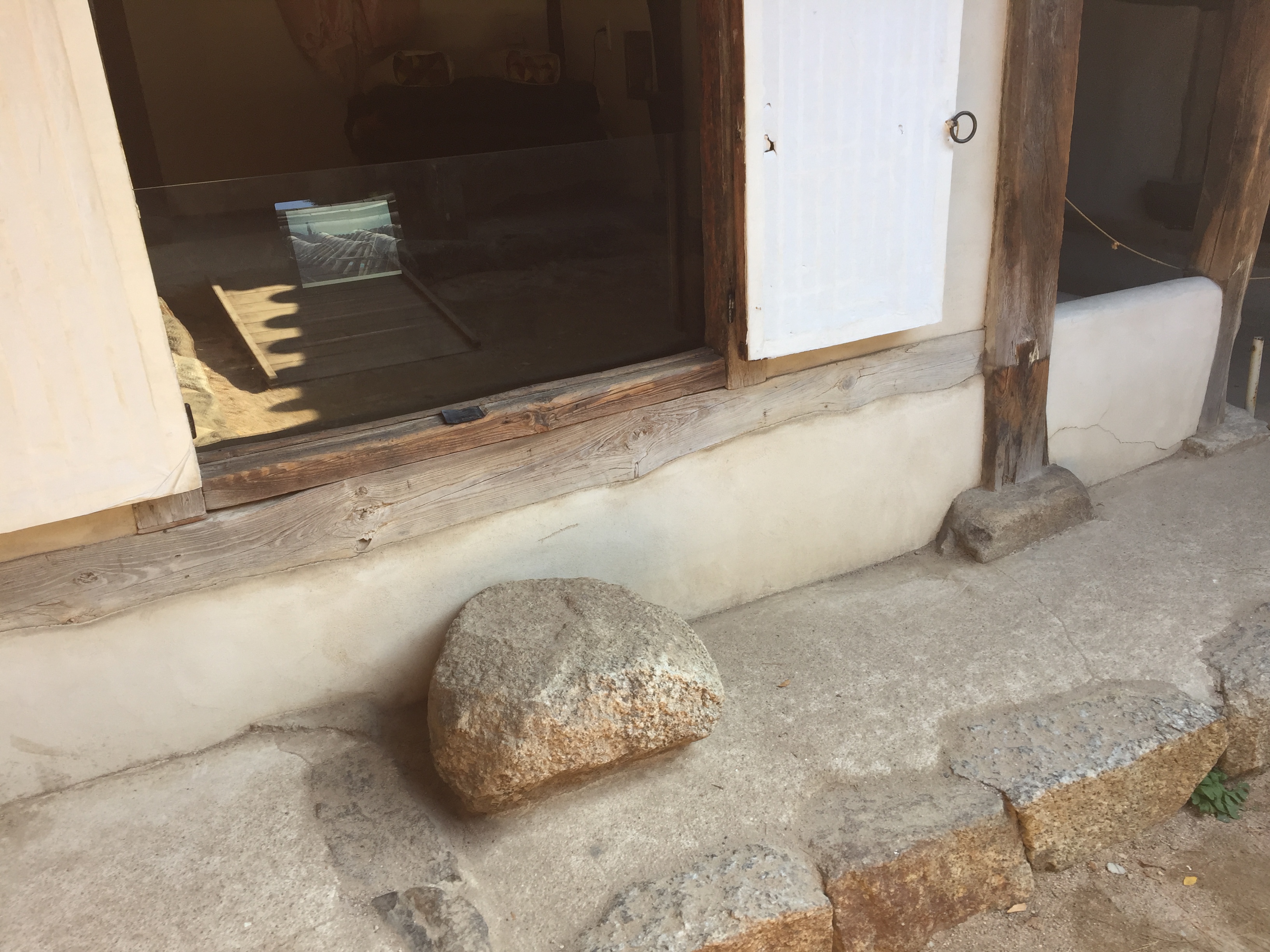
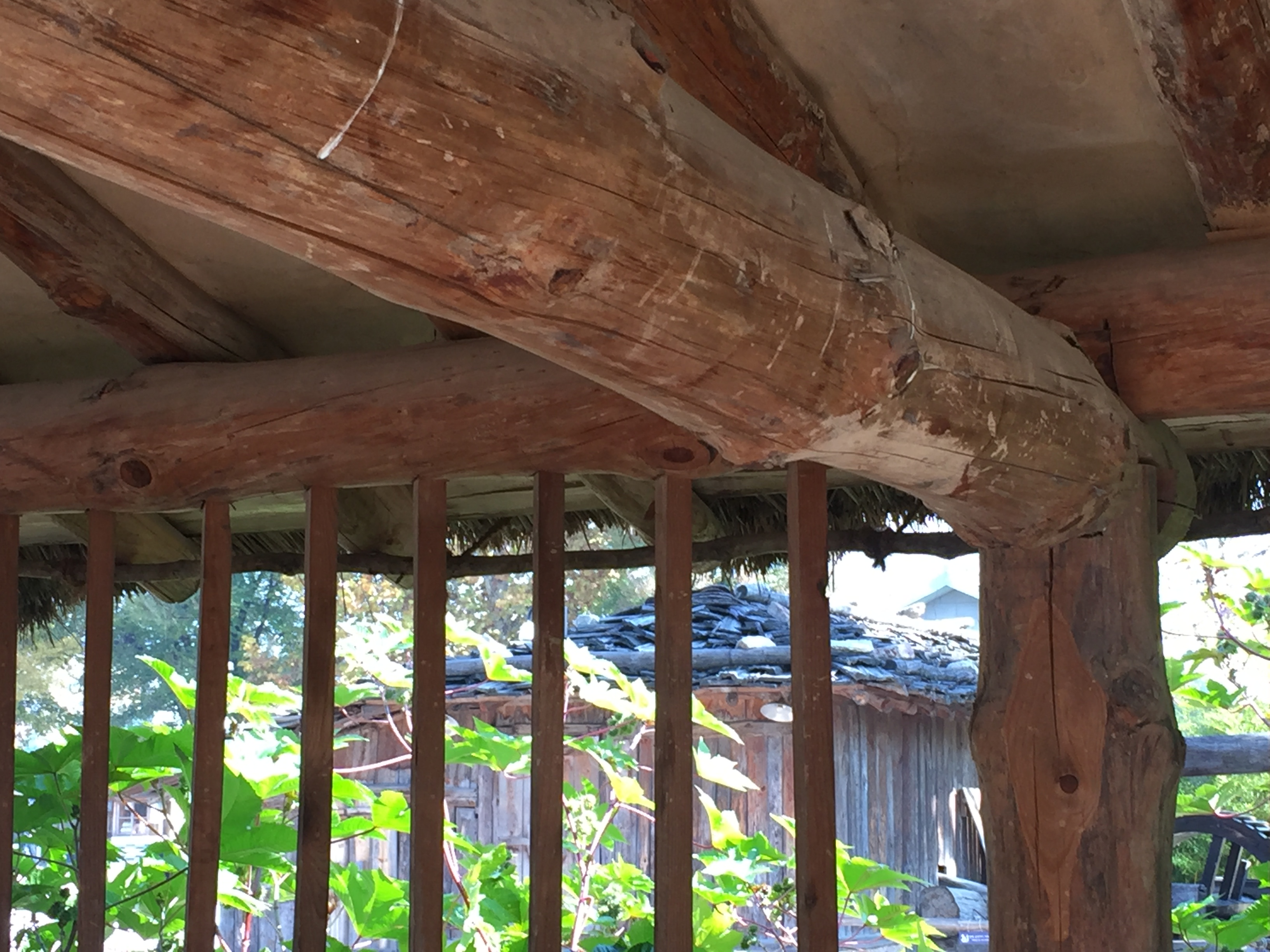
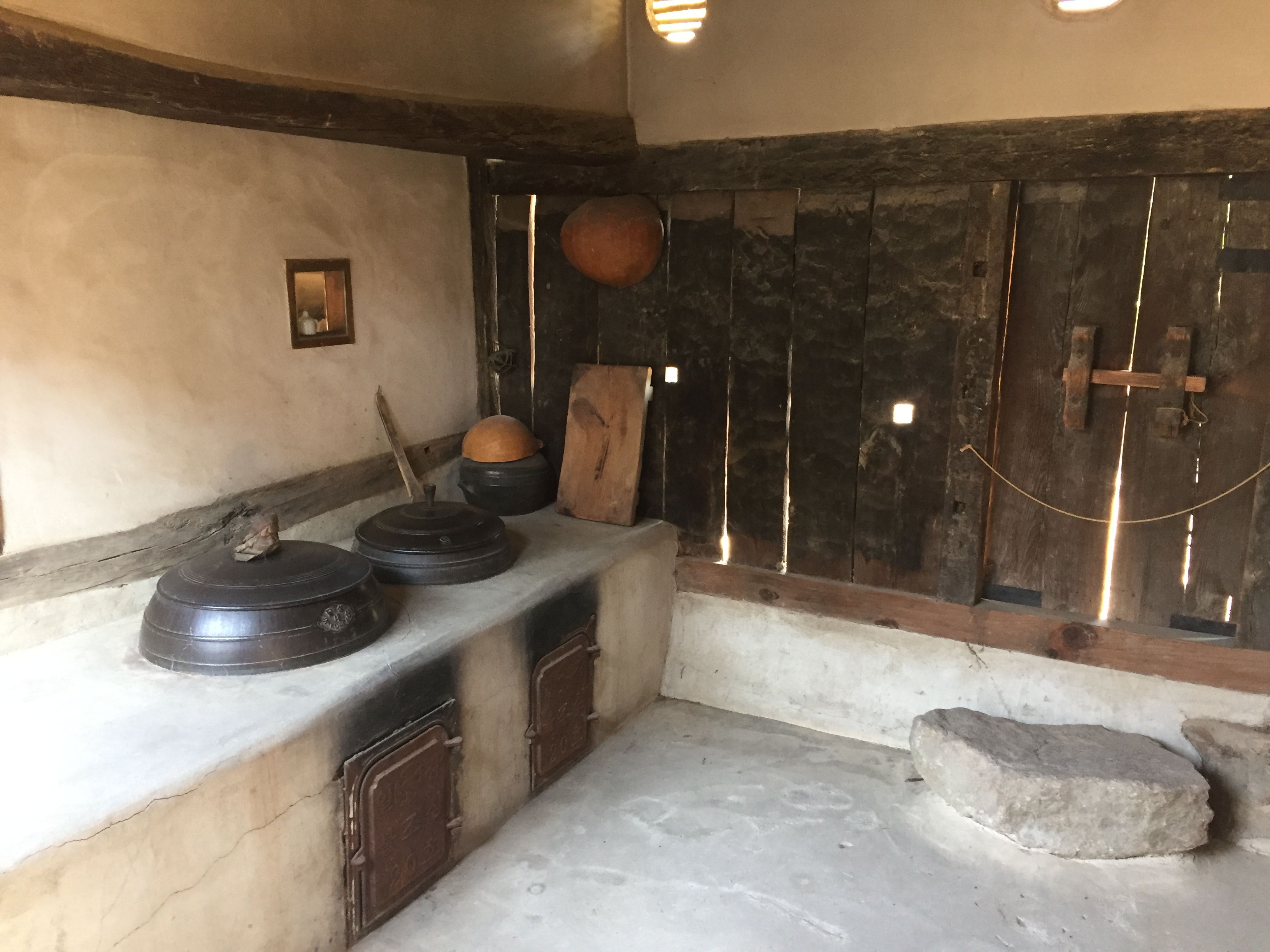
    It was pleasant and easy to walk through this spacious museum in the pleasant lighting on the polished floors amidst the order and cleanliness and streams of sunlight through the windows. It was a compelling experience to step outside and enter the reconstructed house of the lower class peasant: a rough stone foundation supporting small dark rooms set around a small courtyard with dirt floor. Dark brown wood and dark brown wooden rafters, windows in every room but small and the rooms more dark than light.The cold of the stones and the roughness of the swept dirt courtyard, the darkness, which kept things cool in the summer but oh! the winters must have been so very cold. Wood kept the kitchen stove burning and the kitchen might have been warm, but I did not see any fireplaces or stoves in the other rooms. There is much to be said for central heating.


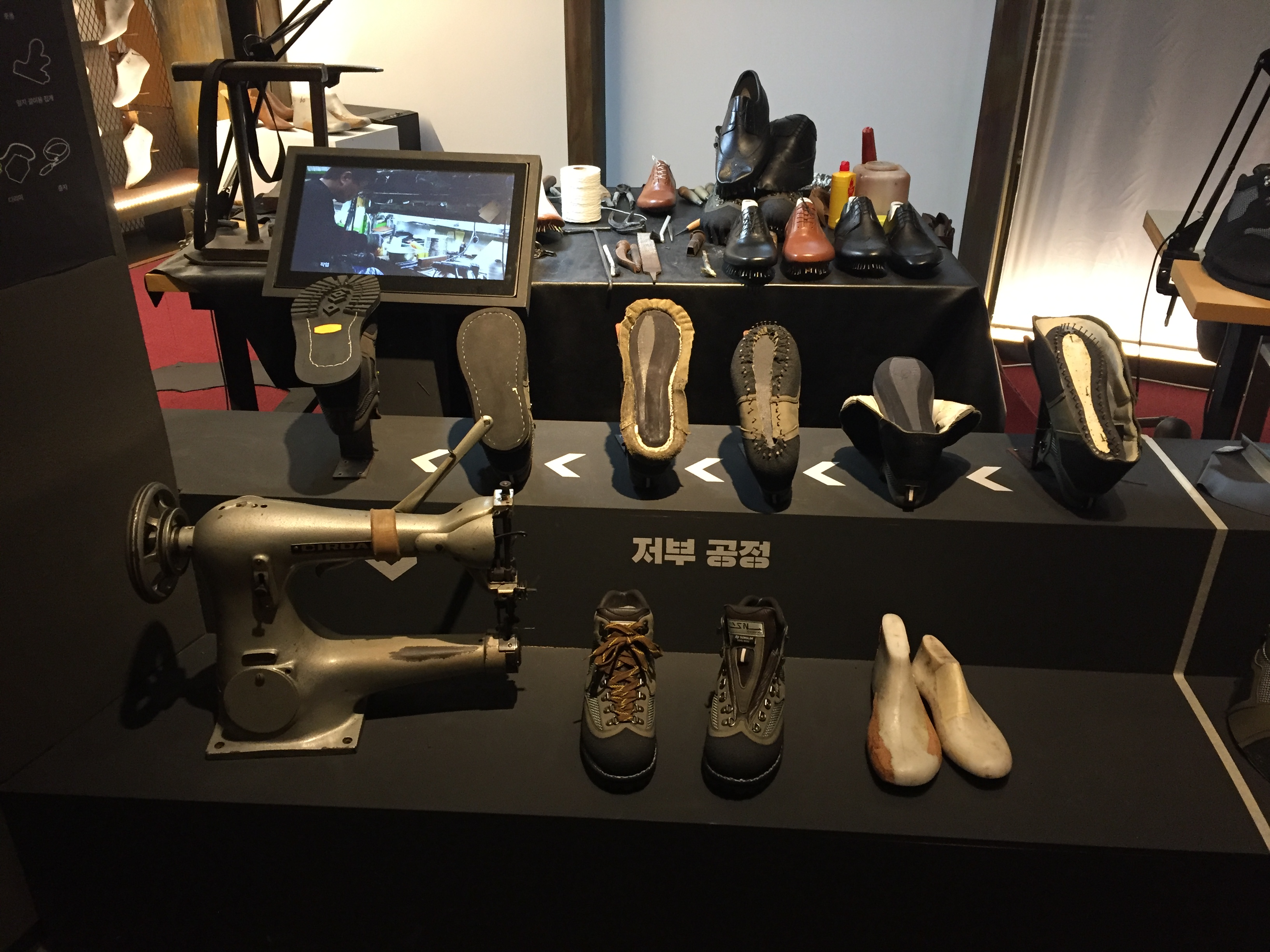
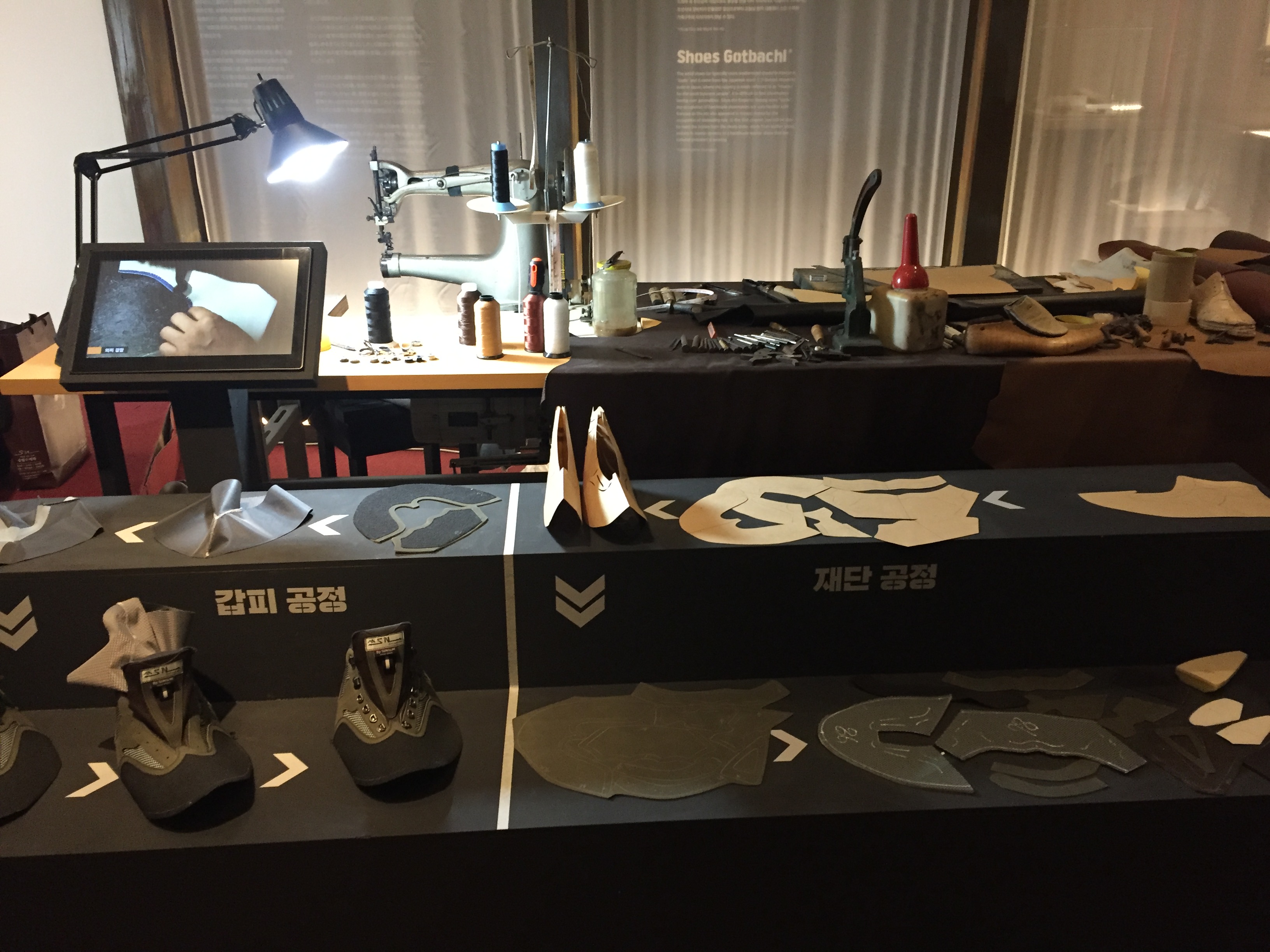
    Note to David and others interested in shoe-making. A large exhibit was devoted to shoe-making in the twentieth and twenty-first century. I did not see anything about the construction of the  straw sandals, which were such important footwear for centuries, but much about the highly constructed shoe of today. Curious!