Author: Miriam Reed

  • Seoul, Korea Wednesday 13 November 2019

    Seoul, Korea
    Wednesday.  13 November 2019

    Our generous professor gave me about three hundred dollars worth of scholarly (his) books at our meeting, so my reading time is predetermined. In the meantime, I had to locate a dry cleaners. The Korean Tourist  Bureau is extremely helpful, and indeed, they located a dry cleaners nearby. It was barely raining when I set out, and I did not bother with an umbrella, so determined was I to have a dry-cleaned sweater.

    I was given written directions and the exact address of the dry cleaners, but the welter of business-announcement signs—capitalism runs rampant here—rendered my written directions of little assistance. By this time, rain was coming down more intensely. Somehow, I stumbled into the correct commercial building, and a smiling Korean at the front desk read my note and listened to my request: Dry cleaning?  In Korean, “dry cleaning” is “dry cleaning.” “Shopping” in English is “shopping” in Korean. Very convenient. Koreans use many unadulterated English words. But that doesn’t make it easier to locate that which the word signifies.

    Either the smiling Korean door person hated foreigners or felt I needed exercise. He waived me out the front door to the entrance just outside of a flight of stairs and pointed. The dry cleaners—he had understood “dry cleaners”—- were in the basement. And so down I went, and down, and down narrow basement stairs that descended six stories below ground level. The dry cleaners was on the first basement level, at the bottom of six levels. I unknowingly stepped out of the stairs at the second basement level. Decades passed while I searched throughout the wrong level before I understood my error. Hours wandering past restaurant after restaurant, a Burger King, some very nice restaurants, a Thai massage parlor, a graphic design shop, more and more restaurants, all obviously thriving, all side by side, warrens and warrens of small restaurants and apparently the same many restaurants on all of the other six levels. Certainly the same on the first level, where the dry cleaners was finally located. How can they all thrive? Doesn’t anyone cook at home?

    Hours devoted to mundane maintenance leave little time for scholarly research.

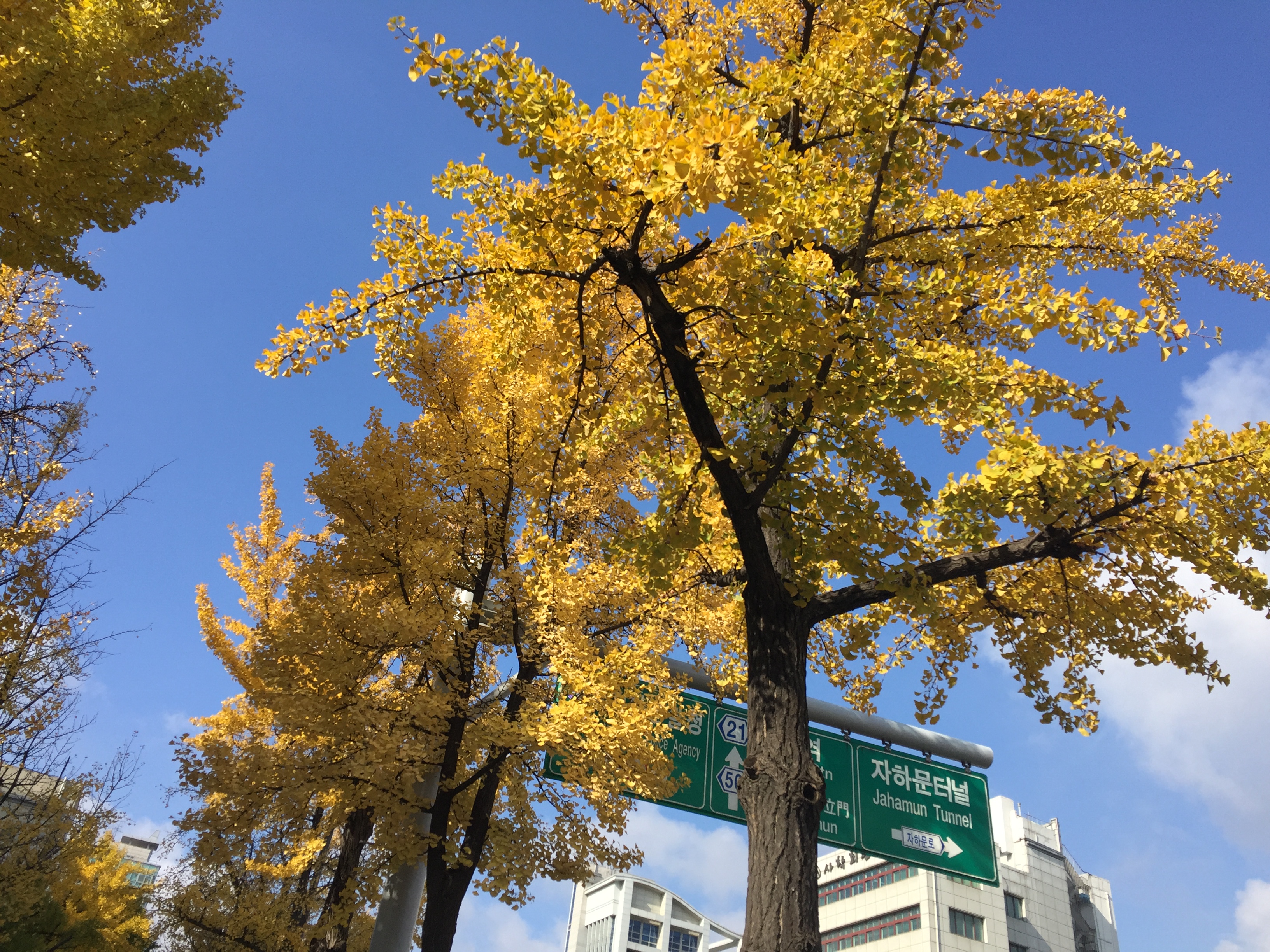
    I took an elevator up from the lowest basement to street level. I walked home in serious rain. The waterproofing in my boots gave out midway. Swirling in the wind and rain, yellow leaves were falling like snowflakes artistically patterning the gray sidewalk.

    PS  Lots of photos in my album but no way to upload them.App incompatibility? Updated program hates me? Who knows. Very disappointing.


  • Seoul, Korea Tuesday 12 November 2019

    Seoul, Korea
    Tuesday  12 November 2019

    Today, we visited the $40-chocolate expert, a professor at Yonsei University, and he was well worth the $40 and then some. Learned all sorts of things and was informed of all of my typing errors (very painful—it is a draft!) but many improvements and new material offered for “Korea 1908”—and answers to questions I had no way of locating.  He vetted only the first half,  and next Monday we return for additional information. For “Korea”1908,” this trip has proved invaluable.

    We went first to Severance Hospital, a glass-and-steel white  behemoth that extends skyward farther than the eye can see; within an equally white Christmas tree and Christmas decorations were arranged. Outside were more naturally colored flowers, so many, photos that I forgot to take. The temperature here is surprisingly mild and today sunny. Just below the Hospital building is another towering white behemoth, headquarters for the War on Cancer, obviously sustained by unimaginable sums of money.

    It is interesting the extent to which something can grow from a small act and one person’s vision. The Methodist Episcopal Church had become involved in missionary work early in the game, and their Woman’s Foreign Missionary Society had been supporting missionary work in China and Japan with scant evangelical success. Yet the WFMS of Revenna, Ohio, met regularly to champion the cause, despite any visible evidence of heathen regeneration. One “dear old lady,” whose name and background story are not included in the records I have available, felt strongly, for whatever reason, that Korea should be a field of endeavor for the Methodist missionaries and, specfically, that the girls and women of Korea should be given care. She presented to the Society “a “small sum of money dedicated to God” that she wished to be a nucleus drawing sums sufficient to send Methodist missionaries to Korea. Only one year later, Mary F. Scranton was appointed to the Korean field, and in June 1885, she reached Seoul. In Seoul, she opened a small school for girls that ultimately became Ewha Unversity, now the largest university in the world for women. From such small beginnings—and yet we do not even know the name of the “dear old lady.”


  • Seoul, Korea Monday 11 November 2019

    Seoul, Korea
    Monday 11 November 2019

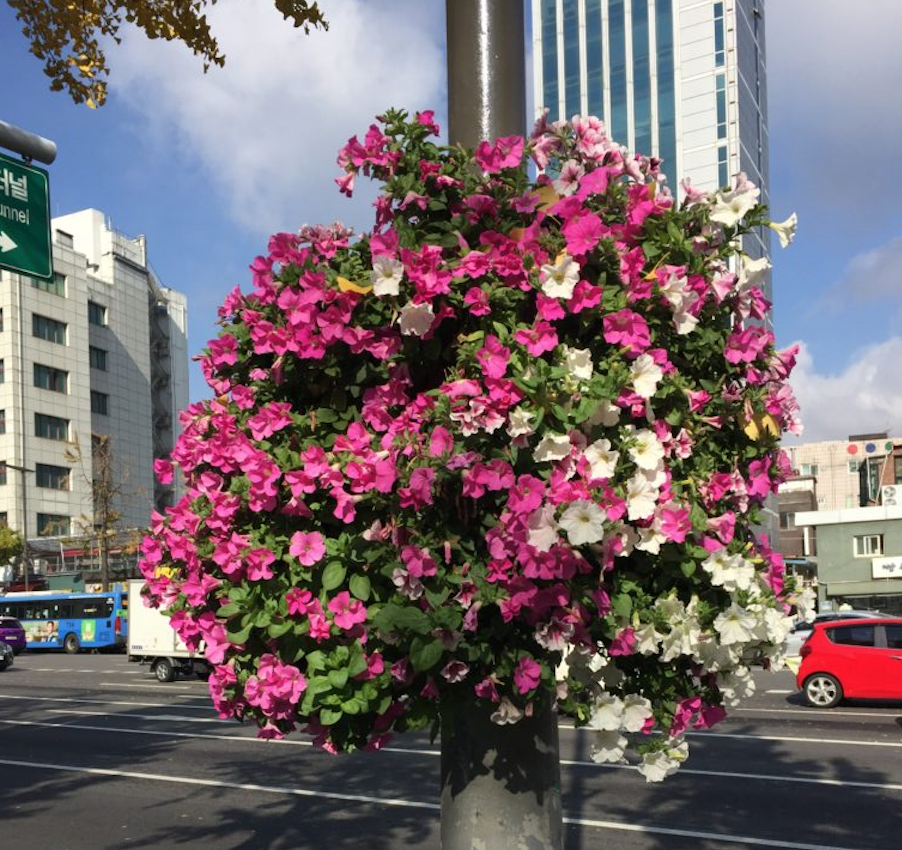
    Autumn yet clings to the trees of Seoul and, surprisingly, petunias are blooming in the street baskets. Immersed as I am researching nineteenth-century Korea, my head is filled with images of the Seoul and Korea of that period. Thus, the prosperity and well-being of today’s Seoul continually amazes me. And people In general dress more formally here, so everyone immediately looks more prosperous. I asked Jasmine if this affluence is seen throughout Korea, and she assures me it is.  In Seoul and at the Incheon airport, everyone looks healthy and young and prosperous.


    In Korea, a formality marks the professionals and particularly, as I have found, the academic community. In America, instructors and even titled professors will have office hours. A student or an unknown can roam the halls, and if it is an office hour, wander in, introduce one’s self, and chat away with the great man or woman. Not so in Korea. To meet a prestigious academic, you need an introduction from several levels down. It is much like getting a book published in America. First, you find an agent who is an agent-finder. The agent-finder finds you an agent. The agent may find you a publisher. In Korea, you find a friend of a friend who can introduce you one level up, and after that you keep working your way up until you have a personal introduction to your target.

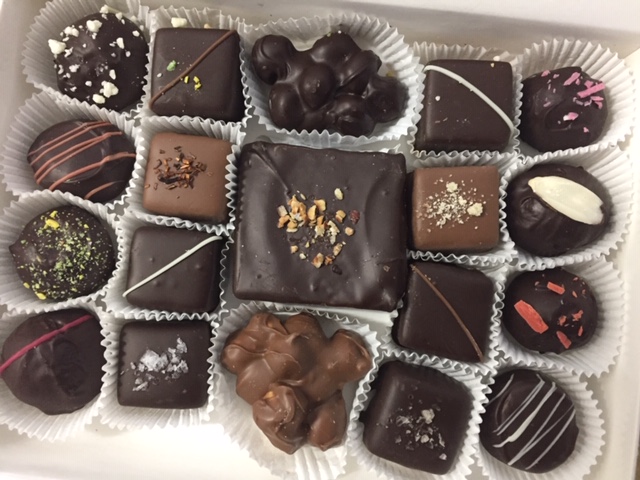
    You then meet your target at the restaurant and pay for a meal that costs a hundred or more for your party of three. My forty-dollar box of chocolates seems mighty insignificant. These tight hierarchical channels of today seem basic to Korea culture and surely have their source in the force of Confucian dogma that demands total subservience of the son to the father, the father to the ancestors, etc., etc. The early missionaries often write of how little personal ambition Koreans evidenced. But it was a matter of self-protection.The King demanded tribute from the yonban. The yonban demanded  from the magistrate, and the magistrate would simply squeeze more out of the lowly peasant. This was “The Squeeze.” If a peasant suddenly became prosperous, the magistrate would drum up some charge and arrest him. After a few beatings, the peasant was happy to let go of his newly acquired wealth. Understandably, the nineteenth-century Korean peasant saw little advantage in the extra work required to improve his income.

    Please note that I use “his” here in referring to nineteenth-century Koreans. There was no opportunity for Korean women to have an income.


  • Korea – Saturday 9 November 2019

    Seattle Airport – Saturday 9 November 2019

    Matt Olivia, a practicing ophthalmologist in Medford, Oregon, is currently in Ethiopia, where he is part of the Himalayan Cataract Project offering cataract surgeries to the many peoples there so afflicted. His generous humanitarian work is in line with the charitable work of the American missionaries of the nineteenth century, who were particularly interested in bringing Christianity to the heathen in Asia. Afire with evangelistic zeal, the well-meaning missionaries immediately came face to face with ignorance and illnesses the likes of which they never could have imagined.

    Missionaries have often been faulted for imposing their world view on another culture, without respecting native values. In nineteenth-century Korea, disease and all ills were believed to be caused by demons. To cure an illness, a sizable puncture must be made into the body so the demon of the illness would be able to escape. The body was punctured wherever the Korean “doctor” decided was appropriate—even the eyes. The wound was left to heal as it might. Infections that followed often led to amputations or worse. The medical care of the missionaries in contrast to that of the Korean doctors was understandably welcomed. Native traditions be damned!

  • Korea – Thursday 7 November 2019

    Thursday 7 November 2019

    To All Who Would Like to Know About Korea in 1908:

    It is possible (though I cannot imagine such a thing) that you might not care about the state of Korea in 1908.  Please do not hesitate to unsubscribe. But, in  fact, the story of early Korea is surprisingly interesting. And I am off on Saturday to learn more about that story in Korea itself, in Seoul.

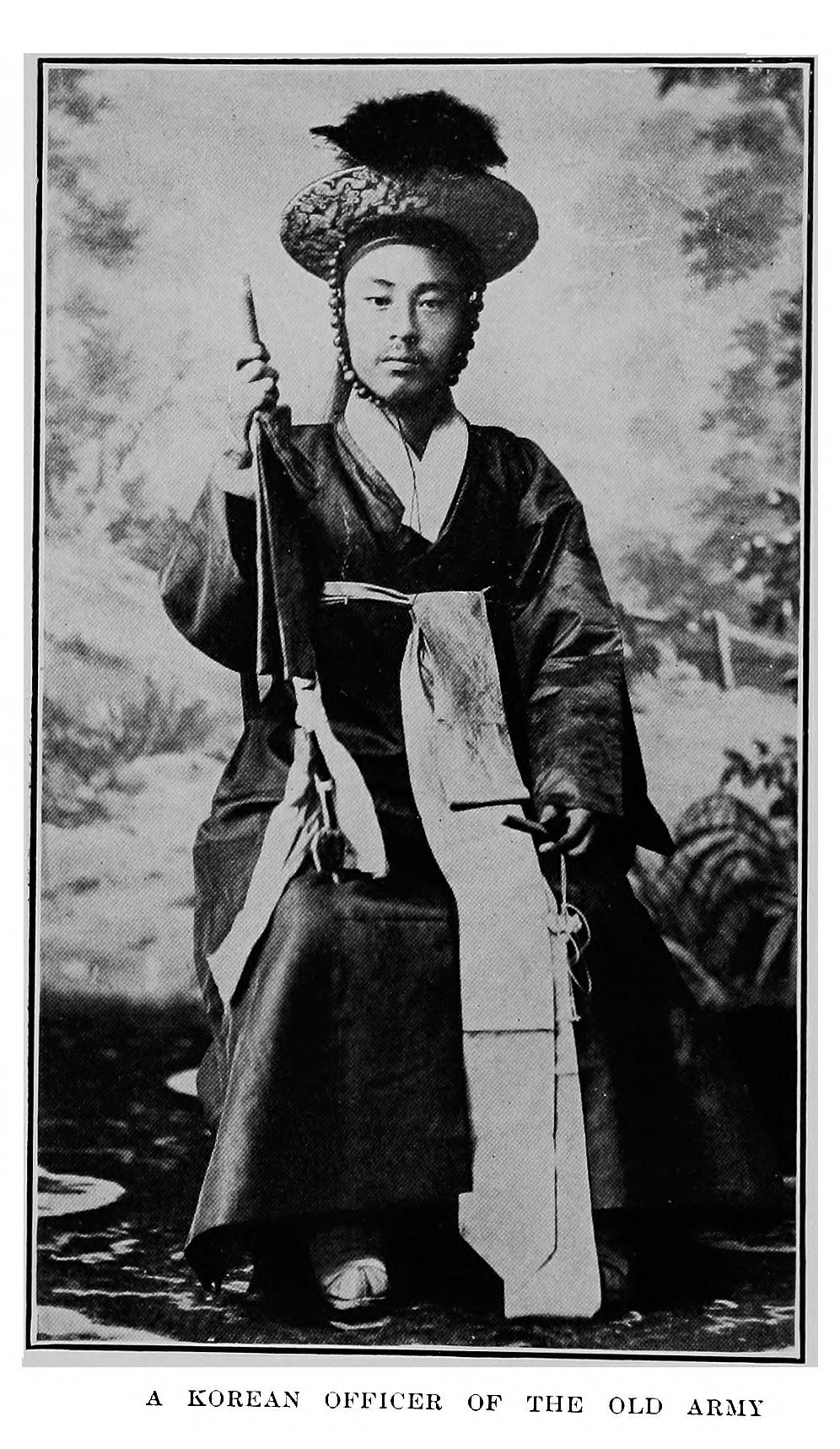
    Below is a properly uniformed Korean officer  as of 1899. This is the frontispiece photo from the book THINGS KOREAN by Horace N. Allen, MD, medical missionary who, after an assassination attack, saved the life of the nephew of the Queen of Korea, thus opening the way for an appreciation and acceptance of many things Western by the Royal Family and later the general public of Korea.

    How The Hermit Kingdom moved from rags to the wild riches of the twenty-first century has its basis in the events of the late nineteenth century.  As you will see.