Category: Travel

  • Thursday 8 November 2018

    Thursday, 8 November 2018

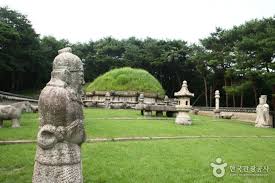
    The plan was to visit the Tomb of Queen Min.  The Gambles had been there and the photograph taken by Clarence and Sidney is a good one.
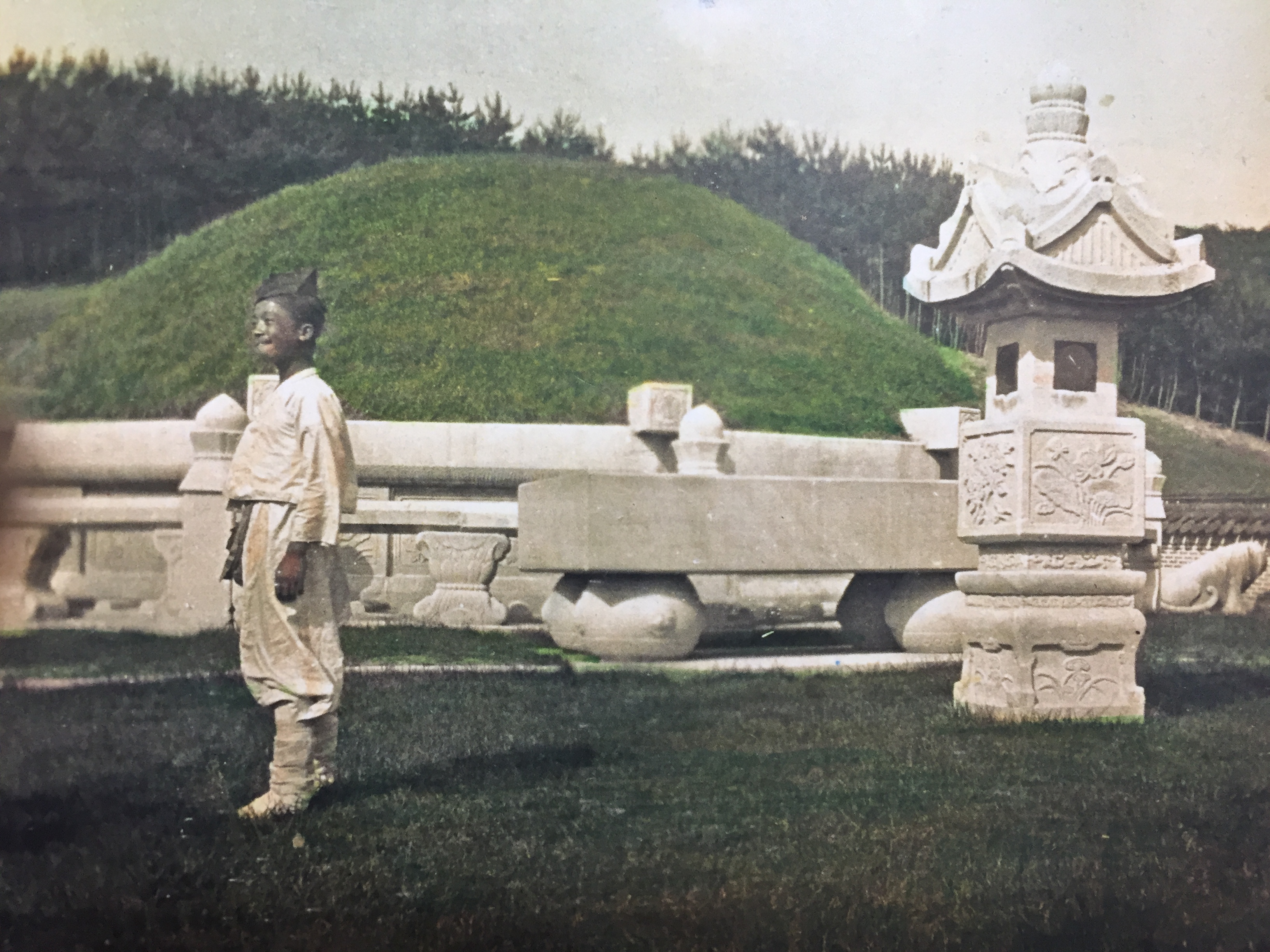
    Donggureung, East Nine Royal Tombs, is a cluster of tombs of the rulers of the Joseon Dynasty on a site just outside of Seoul. Clarence writes that at Donggureung. along with the tomb of Queen Min (pictured above), they saw the apartments of the king and an audience hall for the queen’s spirit. I wanted to see all this for myself and verify what Clarence had written. 

    I was given specific directions Take Bus 272 and after twenty stops, transfer to Bus 202 and after sixteen stops on Bus 202, I will have arrived at Donggureung, the burial grounds of the Joseon Dynasty.  Alas!  Alighting from Bus 272 at the twentieth stop, I found no stop for Bus 202. It was a long and disappointing bus ride. Later, another authority said I should have gotten off at the nineteenth shop. Well, the day was spent on twenty bus stops and now too late in the day to start over.  It was also raining hard, bitterly cold, windy, and my long pants were soaking wet. So perhaps try again tomorrow.

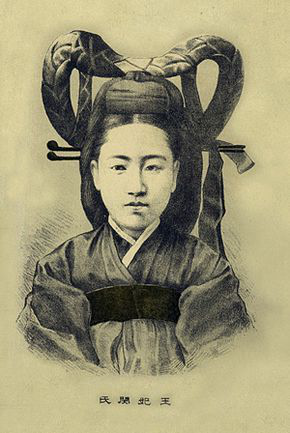
    In the meantime, the Empress Myeong-dong, or Myung Sung, known informally as Queen Min, deserves to be honored for herself, not just because I want to verify the photo taken by Clarence and Sidney.  She was a powerful woman. At barely sixteen years of age, she was married to the fifteen-year-old King Gojong, the twenty-sixth king of the Joseon Dynasty. She was slight and beautiful, of aristocratic lineage, and considered the perfect bride for the king.  It was assumed she would be a subservient, pliable wife and play the role of dutiful hostess at royal functions.

    But once married and settled into the palace, she did not follow the customary ways of earlier queens. She refused to go to royal parties, but preferred to read books in her room. She did not order expensive clothes of the latest fashion. She would not hold tea parties for the other ladies of the court.  At the age of twenty, she began to investigate the activities of the ministers, the workings of the court and those of the government itself. And then she began to make suggestions. She was soon accused of meddling. Eventually, she formed a powerful political faction that supported her, while intrigues multiplied and surrounded her every move. During this same period, Japan was steadily moving forward with its planned takeover of Korea, a plan also supported by some Koreans for their own purposes,

    Queen Min was aware of the intentions of Japan as well as of the forces and collaborators who supported Japan, and she sought through political and diplomatic steps to secure ties with the West and with Russia, giving her means to counter the pro-Japanese forces. Her growing popularity and increasing political strength occasioned great concern by the Japanese, who arranged to have her assassinated by Japanese ronin hired specifically for the job. On 8 October 1895, with the aid of two Korean battalion guard collaborators, the palace  guards at Gyeongbokgung were attacked and dispatched, leaving the queen completely unprotected. She was stabbed, probably repeatedly, brutally murdered, and her body burned on the spot. Without her leadership, resistance to the Japanese was weakened, and, as we know, Japan ultimately was able to annex Korea as a protectorate, that status continuing until the end of World War II.

    Here is a picture of Queen Min  And here is a photo taken at Donggureung, one way to sew the burial sights without traveling through thirty-six bus stops Or would it be thirty-five?


  • Wednesday 7 November 2018

    Wednesday, 7 November 2018

    The much anticipated day arrived to view the Women’s History Archives at the great Ewha University, the largest educational institution for women in the world. The campus ranges over many hills (you might call them mountains). and those girls and women surely get all the exercise they need just walking between classes. The campus is attractively planned and planted, and it must be as stunning in the spring as it is on this fall day when I visited.

    The archives are housed in a reconstructed traditional Korean house with beautiful wood everywhere. But it seemed a wasted long morning offering me no information, certainly that I did not already know from the internet. 

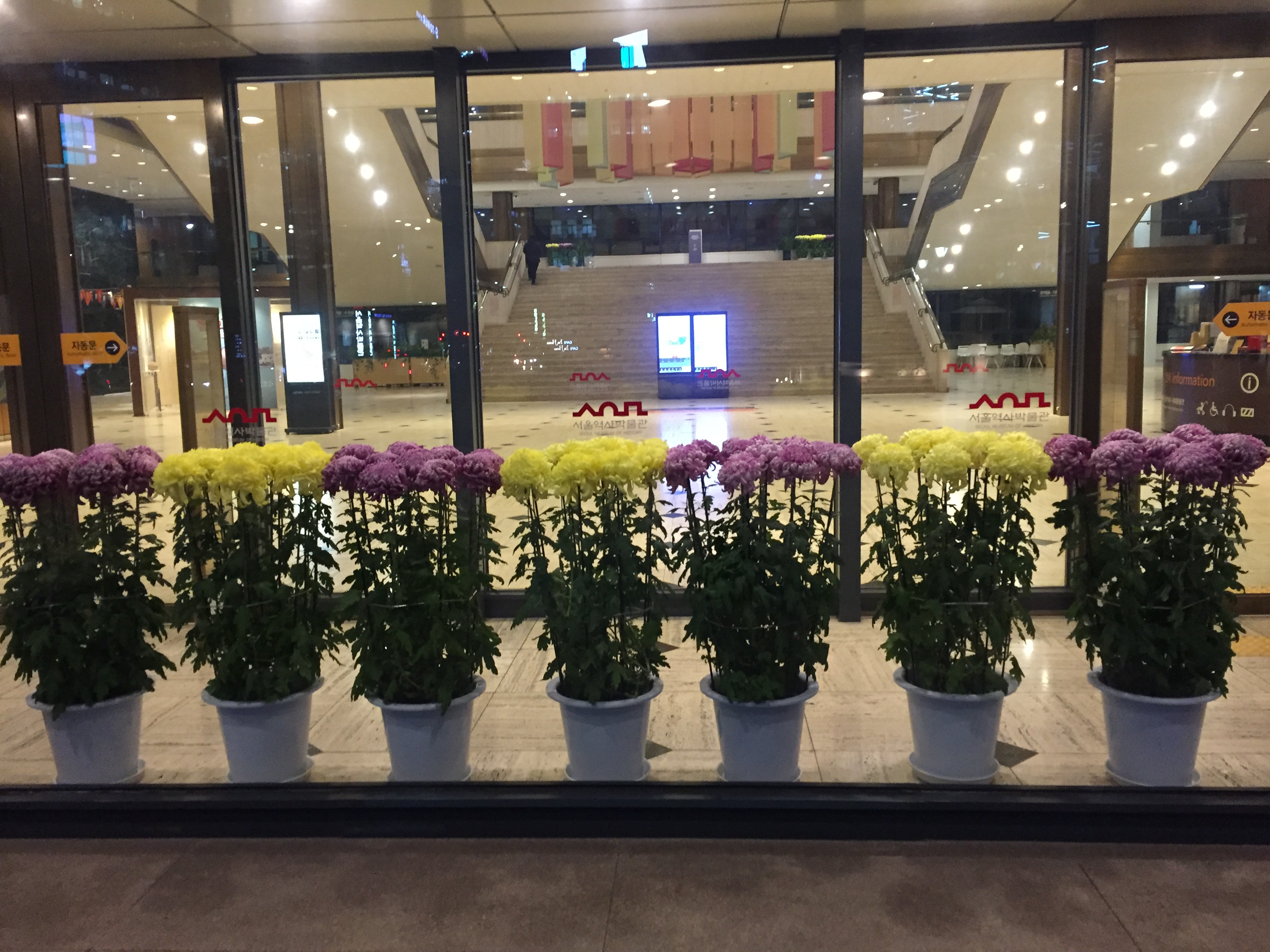
    In the afternoon, my research quest was happily redeemed during my visit to the Seoul History Museum. As with all the municipal buildings, the Museum is a new and cutting edge architectural wonder, inside and out, sensitive to human need for clean beautiful space – but spaces difficult to photograph – so much glass and glare – but beautiful to be within. Excellent exhibitions, and exhibits and materials on Seoul in the nineteenth century. Isn’t that why I am here? As an American, it was gratifying to see Korea acknowledges the contributions of the Western missionaries and the advisors to the Joseon government, those who came to Seoul in the late nineteenth century. (It does not quite offset Theodore Roosevelt’s actions, but that is for another discussion.) Old photographs were carefully maintained. The staff was most helpful, and this museum visit alone has made my trip to Korea worthwhile. At night, which is when I left, for they are open until eight, that beautiful building glows.


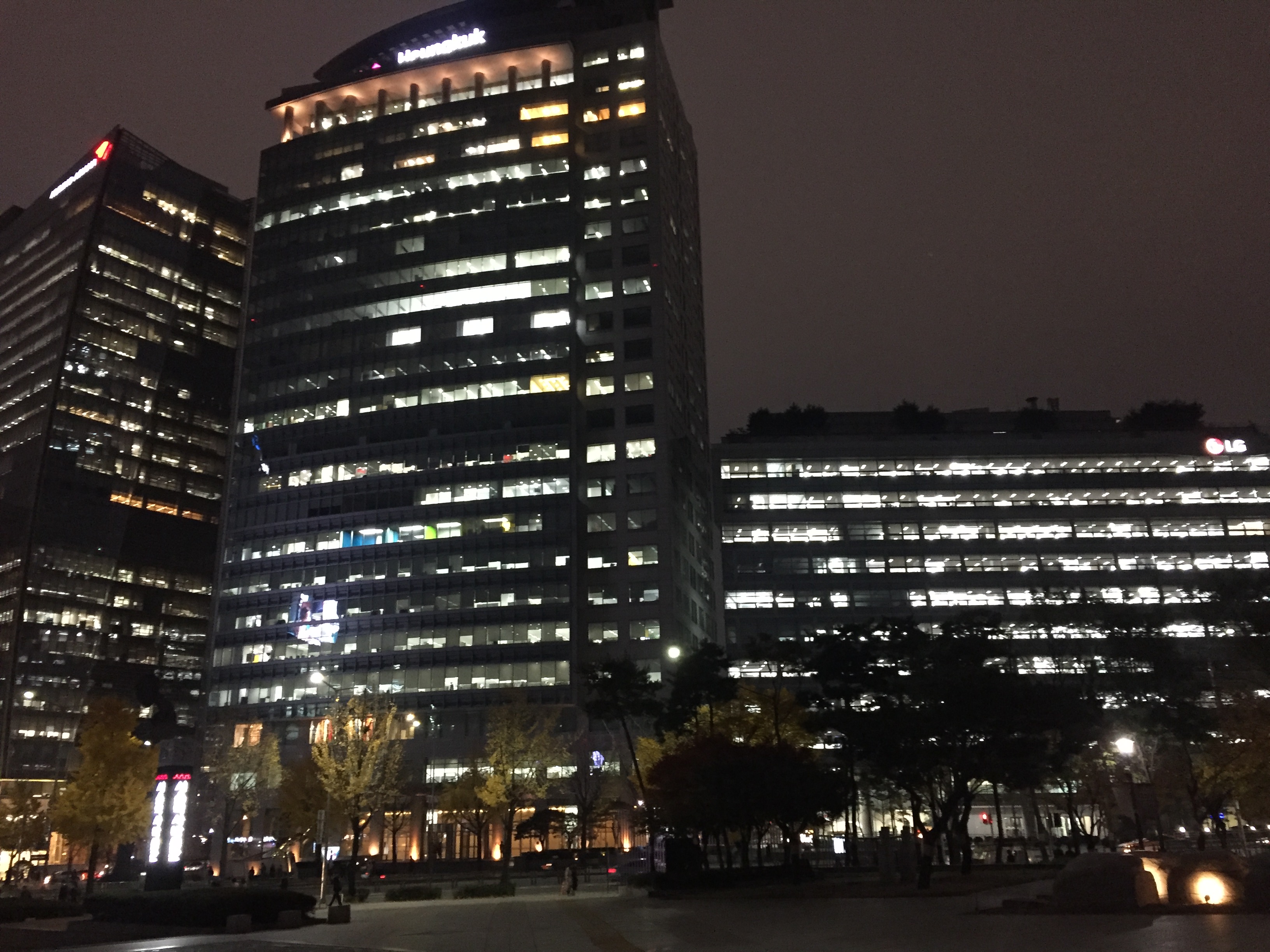
    In Seoul, Koreans bump into you and never apologize. It seems to be their way. But all in all, I have found the Korean people in Seoul to be kind and always helpful when I needed directions. And I am always needing directions. Travel always brings surprises and the unexpected. The Seoul skyline at night is splendid.


  • Tuesday 6 November 2018

    Tuesday, 6 November 2018

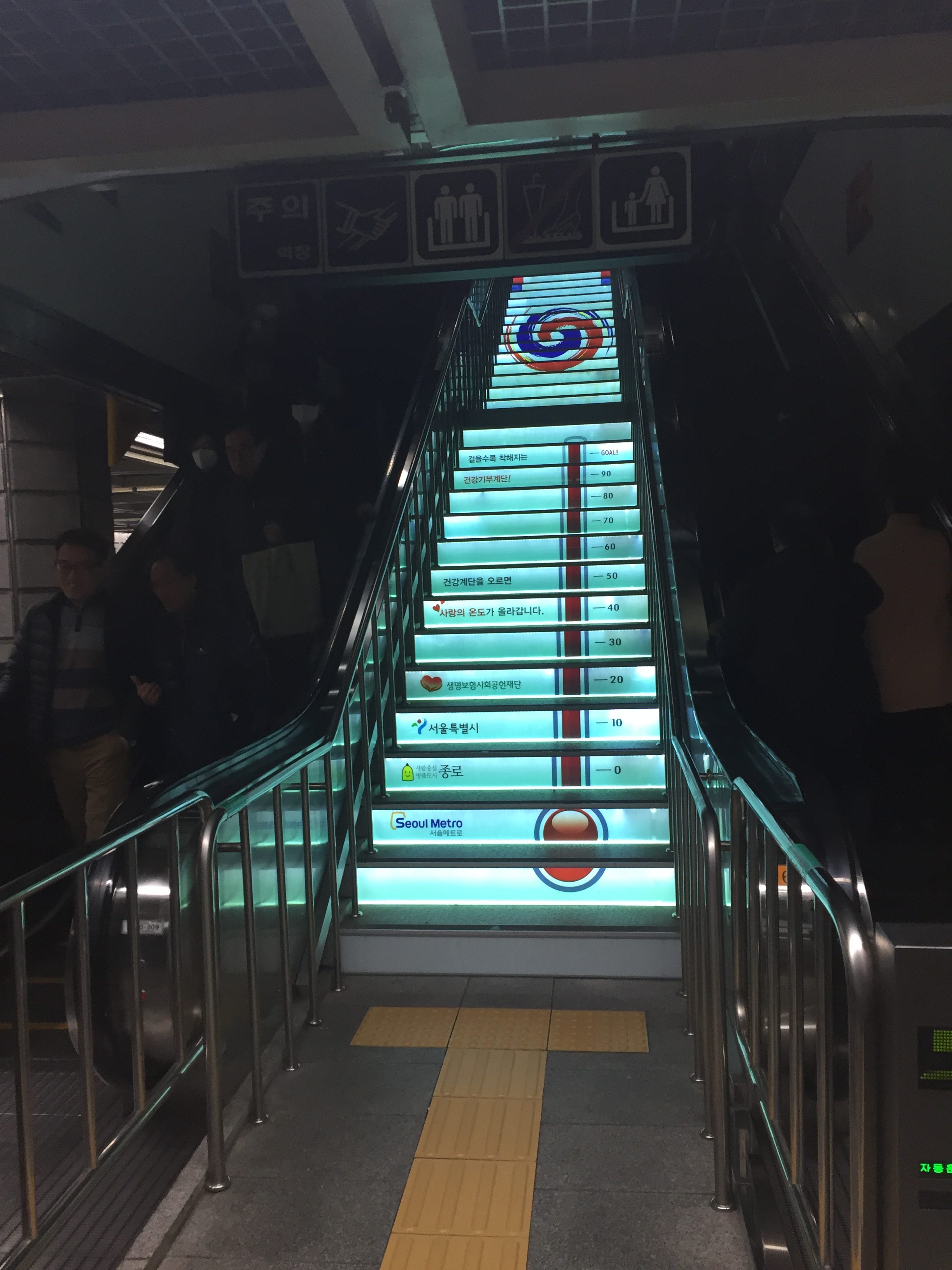
    A day on the subways. This was not the plan for the day, but that is what the day brought. I forgot the exiit or I got on the right train but it was the wrong direction or I misunderstood the Hangul or I misunderstood the directions given me by the Tourist personnel or I just got tired. Endless walking of endless stone corridors, endless steps, endless machines (Pepsi made it; Coke did not), endless ads, endless signs, endless shops offering things I thankfully do not need, endless food (probably not organic), more signs. Now here is a sign to the clean and much appreciated rest rooms. In the ladies room fine art work and a urinal. For the Transgender? And two potties, one for big people and one little people, side by side. More steps. Only the last set of steps was fun. When people walked on them, the steps lit up!

    And then the day was redeemed  Now I knew the subways. (Boy, do I know the subways.) But now that I knew the subways, I was able to slip two stops away from the subway closest to my room to see the Tapgol Pagoda that Clarence Gamble saw and photographed in1908.

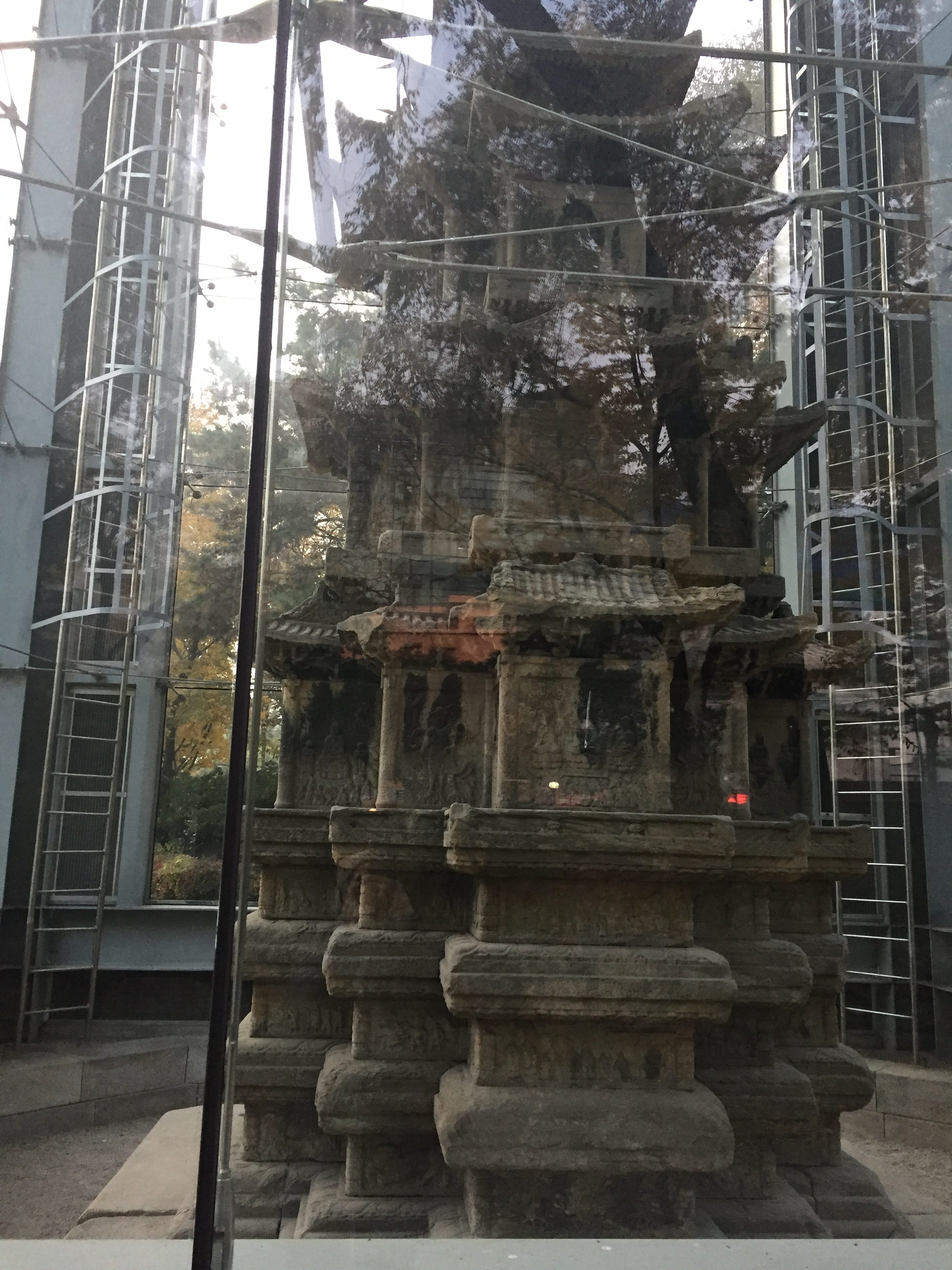
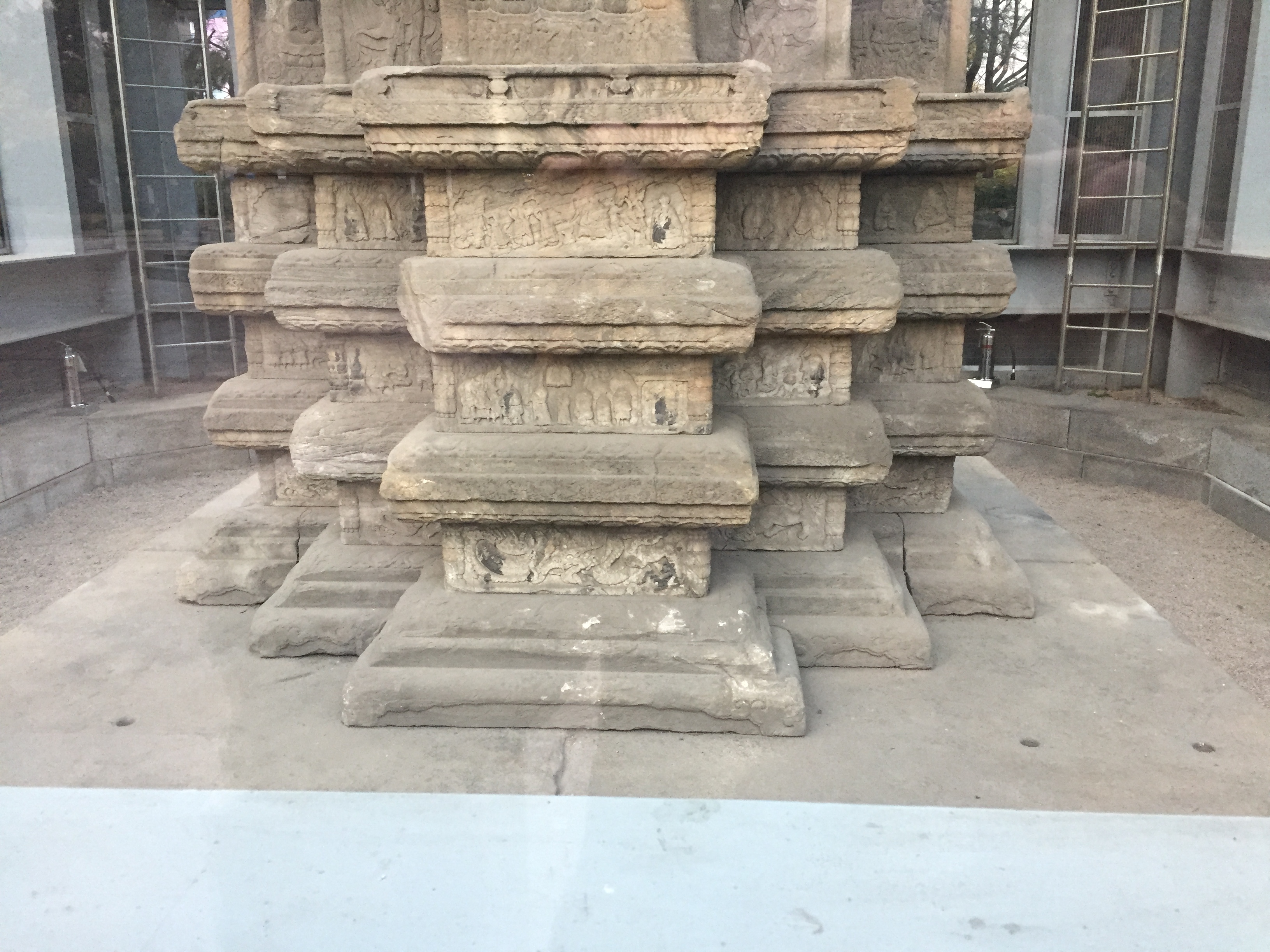
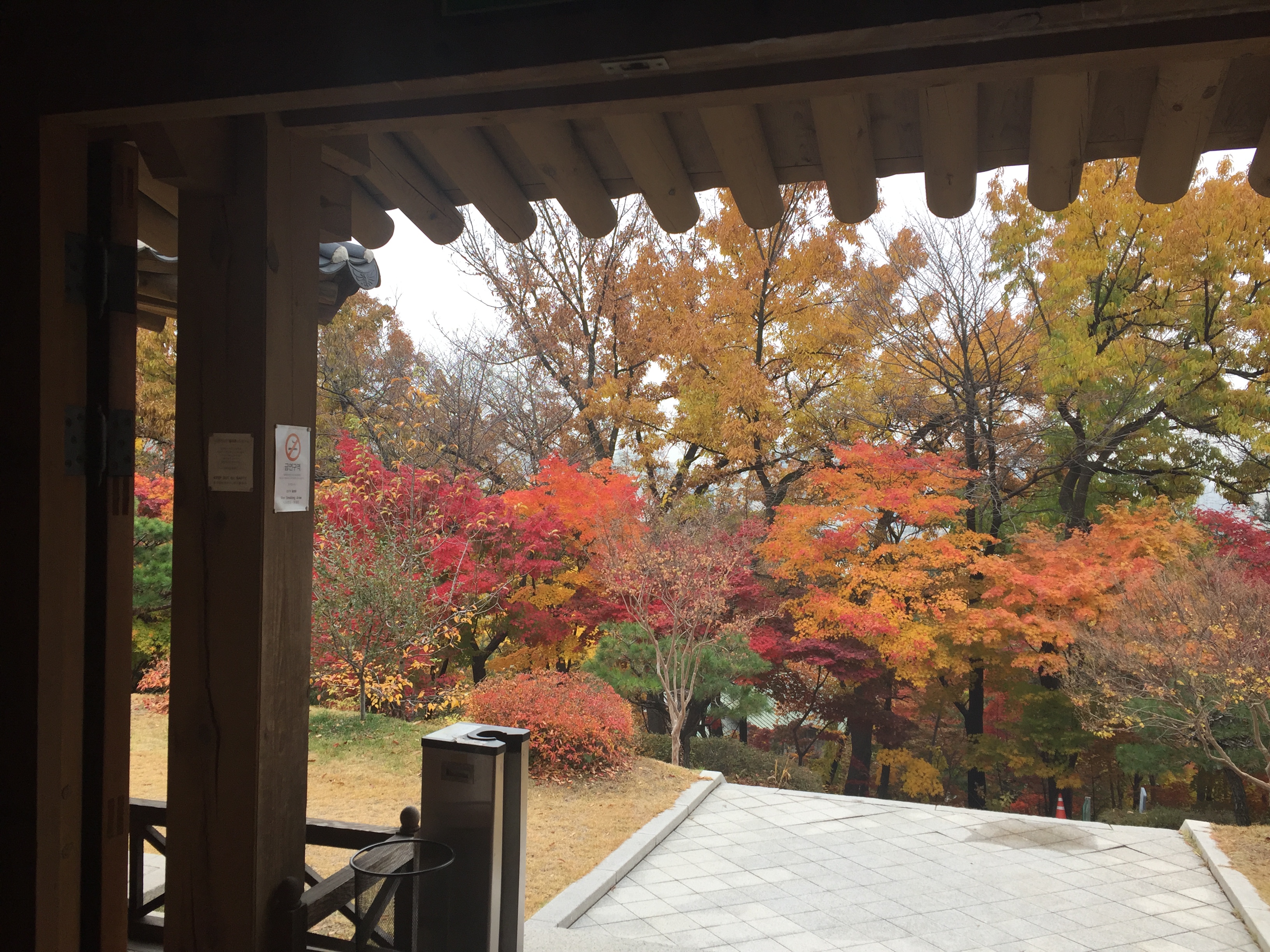
    This time an elevator (elevators are relatively rare within the subways, but the government does build them where people have to be moved up into the center of a tight street corner too small to accommodate large entry steps). Out of the elevator onto a busy busy commercial street replete with sirens, neon-lit signs and stores – and street vendors with wares spread out on blankets – even one food vendor (food NOT spread out on blanket). And at the end corner of this very commercial street a classic Korean wooden entry into a classic Korean park, well swept walkways, trees and bushes in their fall colors of yellow and burnt orange, and all quite peaceful. Behind a decorated wooden rotunda, completely encased in reinforced glass, stood the Tapgol pagoda, the very one Clarence saw. Difficult to photograph it through the glass, but here is the base and here it is today.


    The Tapgol has a rich history. The ten tier pagoda, or the Wongaksa pagoda, was built of marble in 1467 became part of a Buddhist temple when the king was a devout Buddhist, but when the government changed and Buddhism was no longer the fashion, everything was destroyed except the pagoda. Around 1900, an Irishman, Brown McLeavy, persuaded King Gojong to create the first public park in Korea with the pagoda as its centerpiece.

    In the twentieth century, the declaration that sparked the March First movement was read in the park. The resulting resistance against the Japanese military control brought many deaths and further repression. Today, it is a beautiful and restful place to visit, an oasis in the center of the commercial bustle of Jong-no and surrounding streets.


  • Monday 5 November 2018

    Monday, 5 November 2018

    As much as I would like to walk the city of Seoul to know it, it’s fairly clear that to walk the entire city would require walking the rest of my life. And so I took a City of Seoul Tour Bus. We rode and rode and rode. The autumn is a beautiful time to come to Seoul, and I have been blessed to enjoy these clear days, though today more than a few were wearing masks, and the air quality was not perfect. But yesterday, Sunday, it was quite good, and as we rode and rode I marveled at the cleanliness of the city. Everywhere the streets are clean. The wide boulevards are clean. The sidewalks are clean. The subways are clean, The buses are clean.The toilets in the subways are clean, very clean. The house fronts are clean. The cars are clean. Everyone is dressed respectably. I did not see any homeless or derelicts or weirdos or beggars. It is almost scary – this order and respectability and cleanliness that is everywhere.

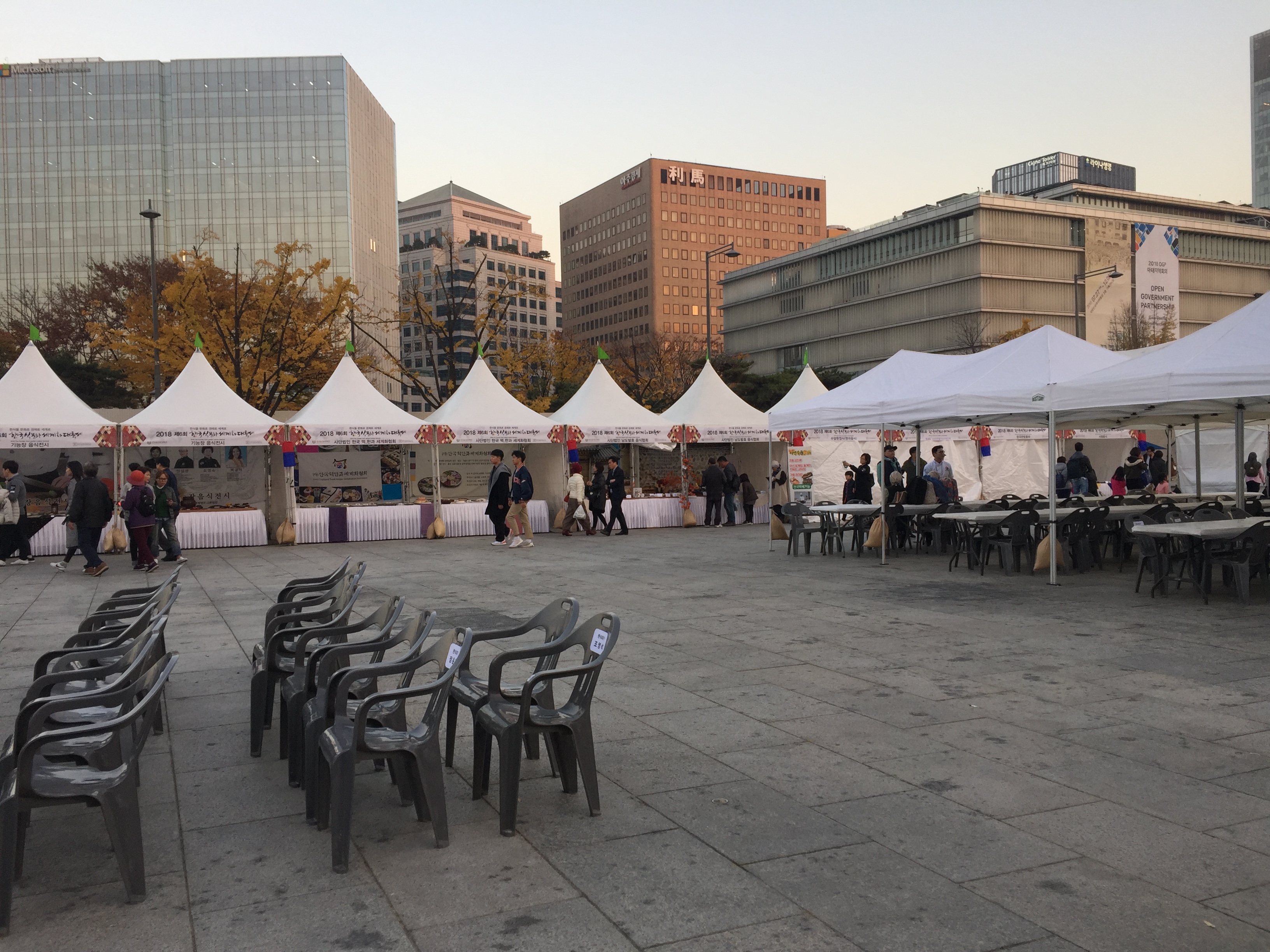
    I had been looking forward to exploring the foods sold by street vendors. All gone from the streets. Instead, neatly lined up in fields or along the edges of parks or in the middle of the parks are neat and tidy rows and rows of white peaked roof tents – reminiscent of the Klu Klux Klan – an unhappy association. For the merchants, they are surely a boon, for contents and merchants are protected from inclement weather and dust and wind and location is set – no worry about being asked to move on by the police. For the buyer searching for atmosphere, a bit disappointing. But these rows and rows of white antiseptic tents are entirely in keeping with this great order that envelops Seoul.


    Today I visited the Tourist Center for the joy of speaking English – which they do perfectly – and asked my Korean Tourist  person if any parts of Seoul are dirty or ill kept. Did she know of any? No, she did not. Is everywhere in Seoul so clean?  Well,yes, as far as she knew. 

    And along with the cleanliness are the plantings. Most streets that I saw have trees planted on either side, which in this fall are bright in yellow or red in color. The city with its endless rows of skyscrapers and wide wide tree-lined streets is easy to walk in, and safe. You feel very safe in Seoul.

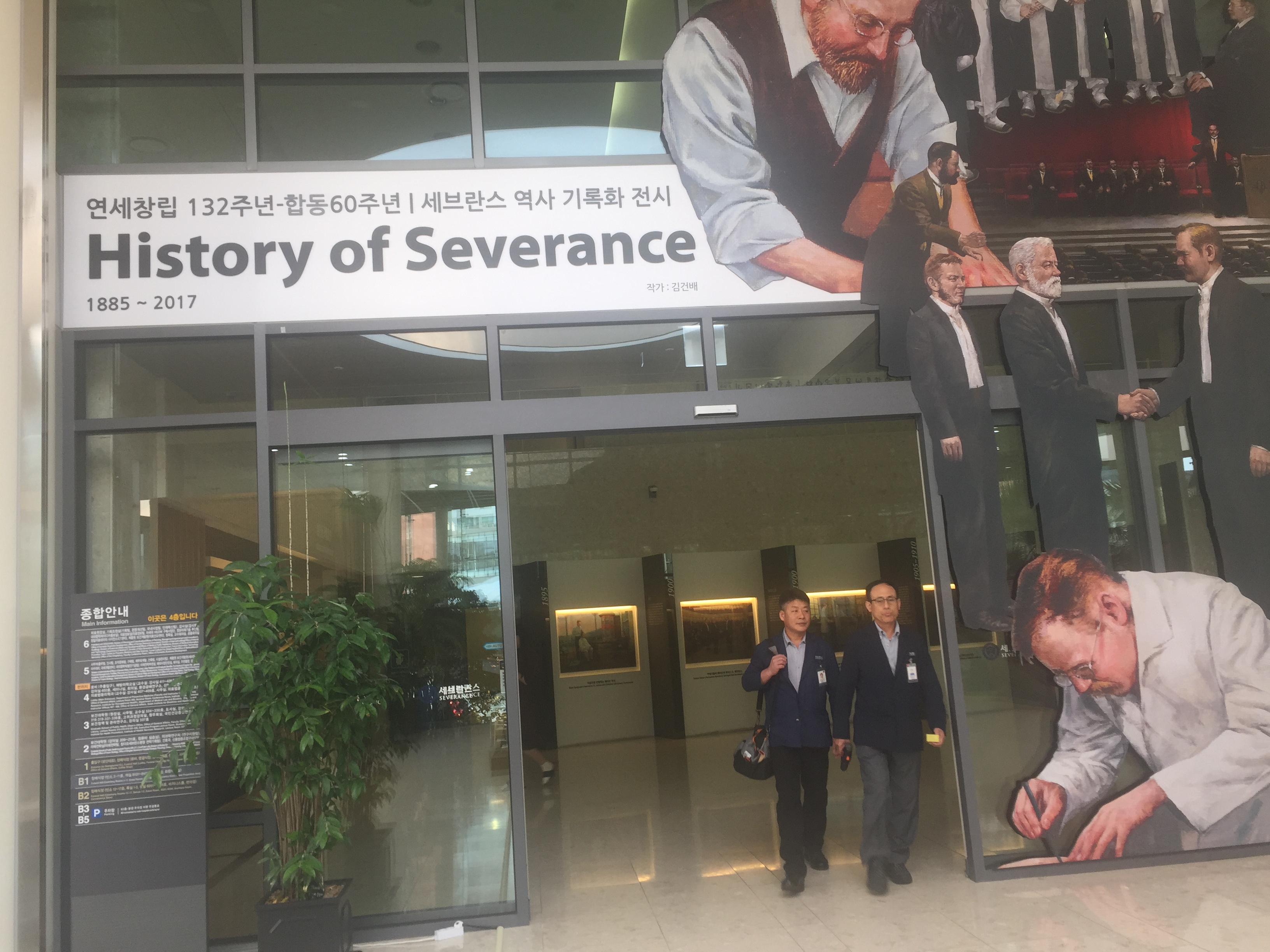
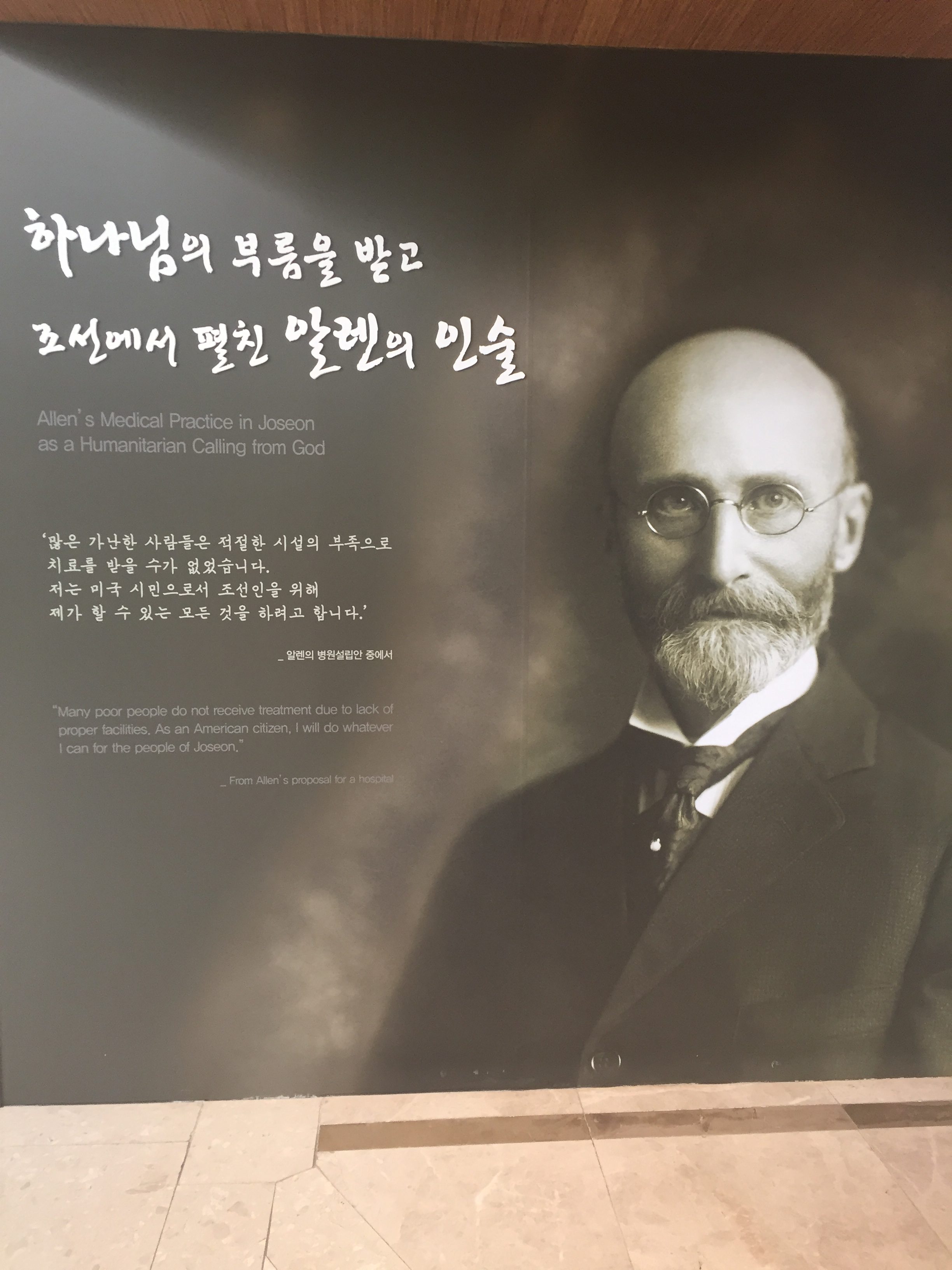
    I took the subway – the clean subway – to the world famous Severance Hospital to inspect their history of Severance exhibit, which I had heard referred to the contributions made by the Presbyterian missionaries who founded the hospital. Indeed, two large spaces are devoted to documenting the work of Dr. Allen, who founded the beginnings of a Western type hospital in Korea, and to Dr. Oliver R. Avison, who from his first days in Korea had the vision of a medical college that would train Koreans to be doctors. The result was the fine medical college at Honsei University and the vast medical complex that is now Severance Hospital, where Asians from all of Asia come for treatment.


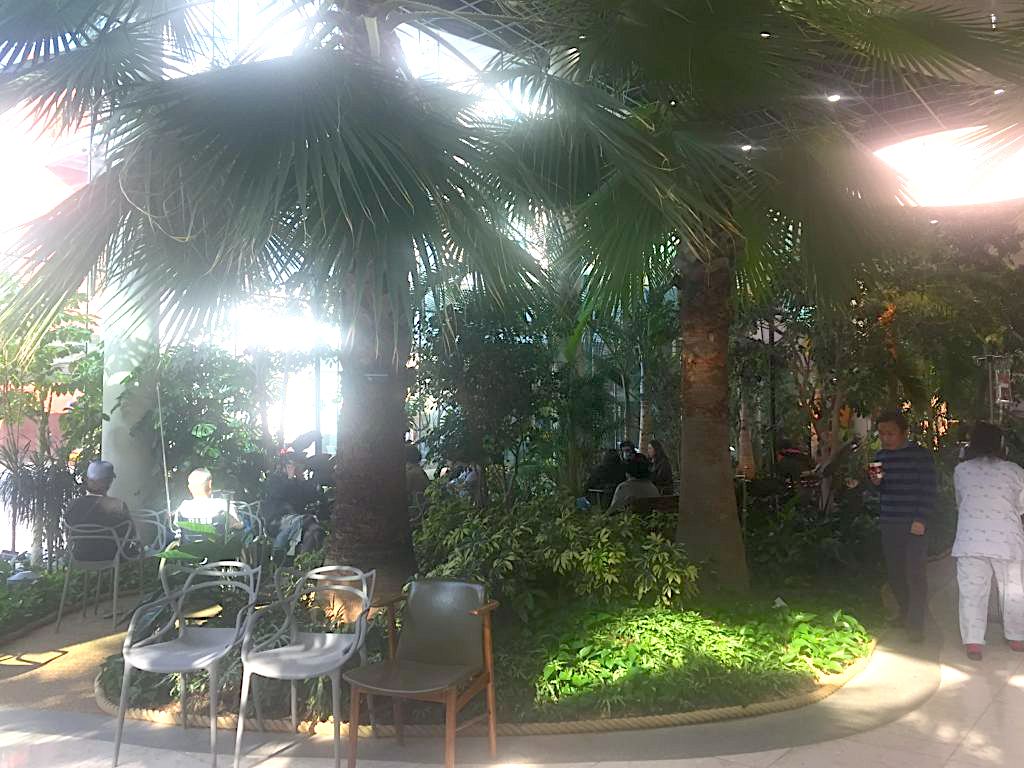
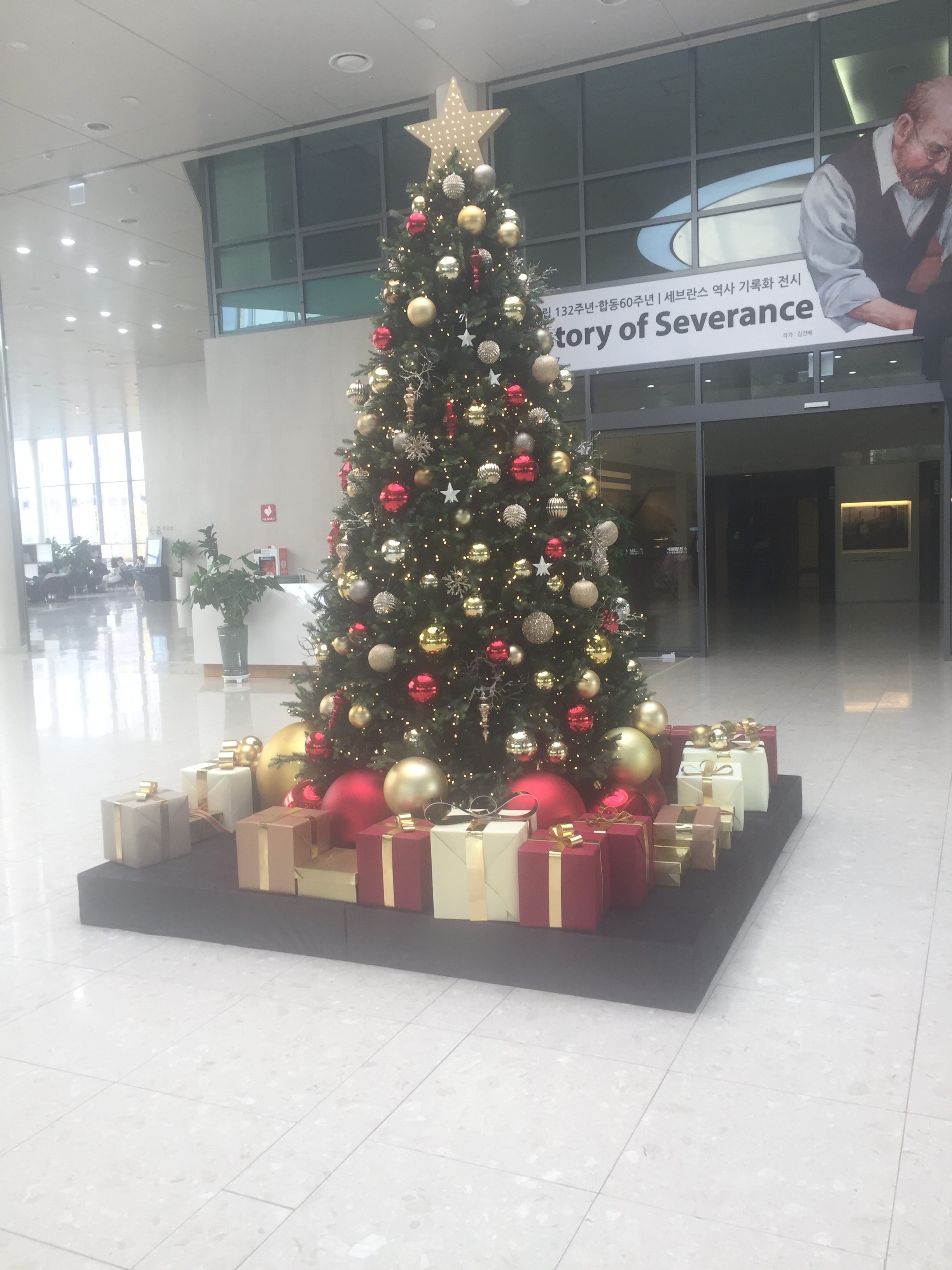
    The hospital building is almost beyond belief – so modern, so spacious and elegantly designed. A large solarium, the plants ten feet tall, a veritable forest in which relaxing patients and their visitors can sit amidst the greenery. Everything and the furnishings the couches and easy chairs, the artwork, all appear to be of the best in taste and finest in quality. Along with the Christmas trees already in place. Rather like the Joseon Dynasty tradition.


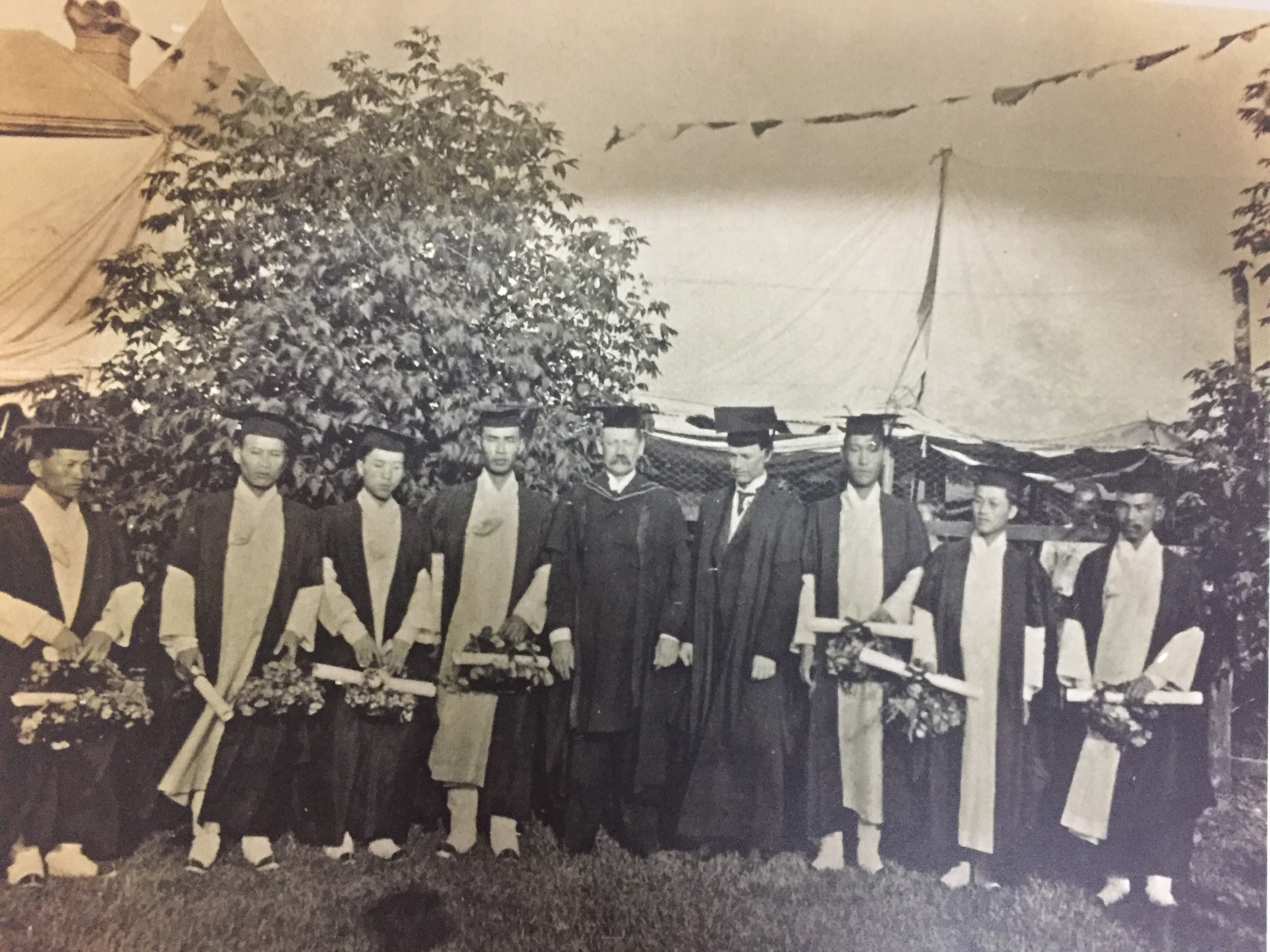
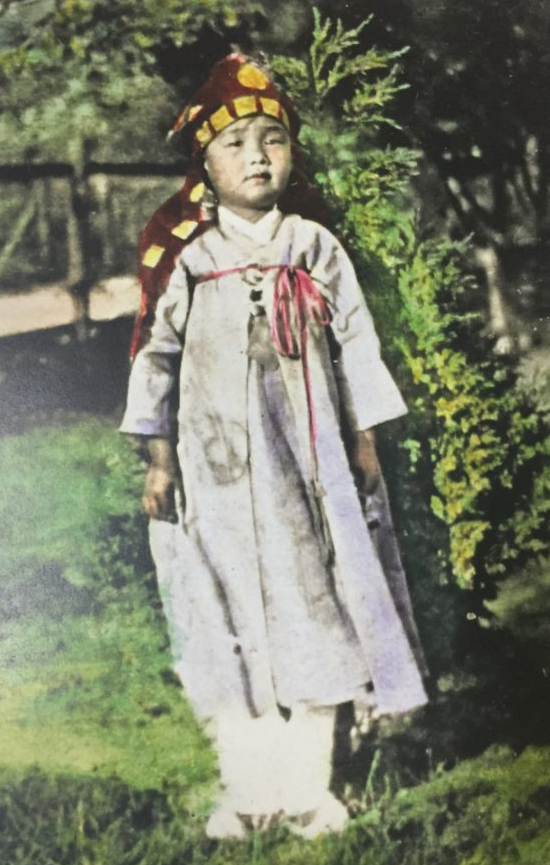
    I was able to meet with the curator of the historical exhibit and show him and his assistant and translator the two photos taken by Sidney and Clarence Gamble at the graduation ceremony in June 1908 of the first graduating class of seven of Severance Medical College, the first Korean-trained doctors, all of whom put their training into the service of Severance and into training more Koreans for the field. I also showed them the photo taken by Clarence of the son of one of the graduates, a photo that is not in the Severance archives.They were cordial and interested, as they should have been. And it is a satisfaction to know that the work of these Presbyterian medical missionaries continues to be recognized and honored.


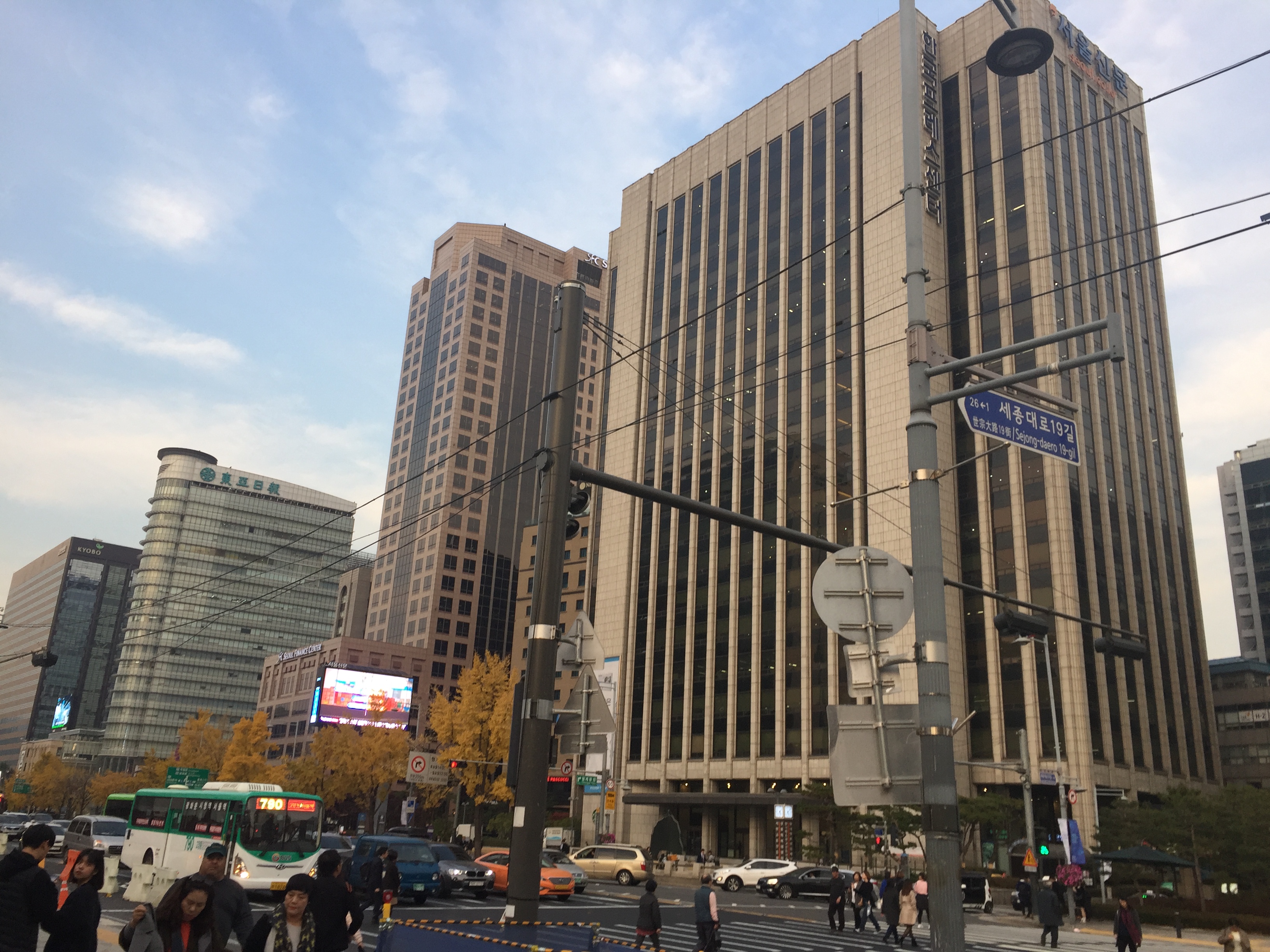
    A walk from the subway in twilight with these great tall buildings in such a variety of styles on either side.


  • Sunday 4 November 2018

    Sunday, 4 November 2018

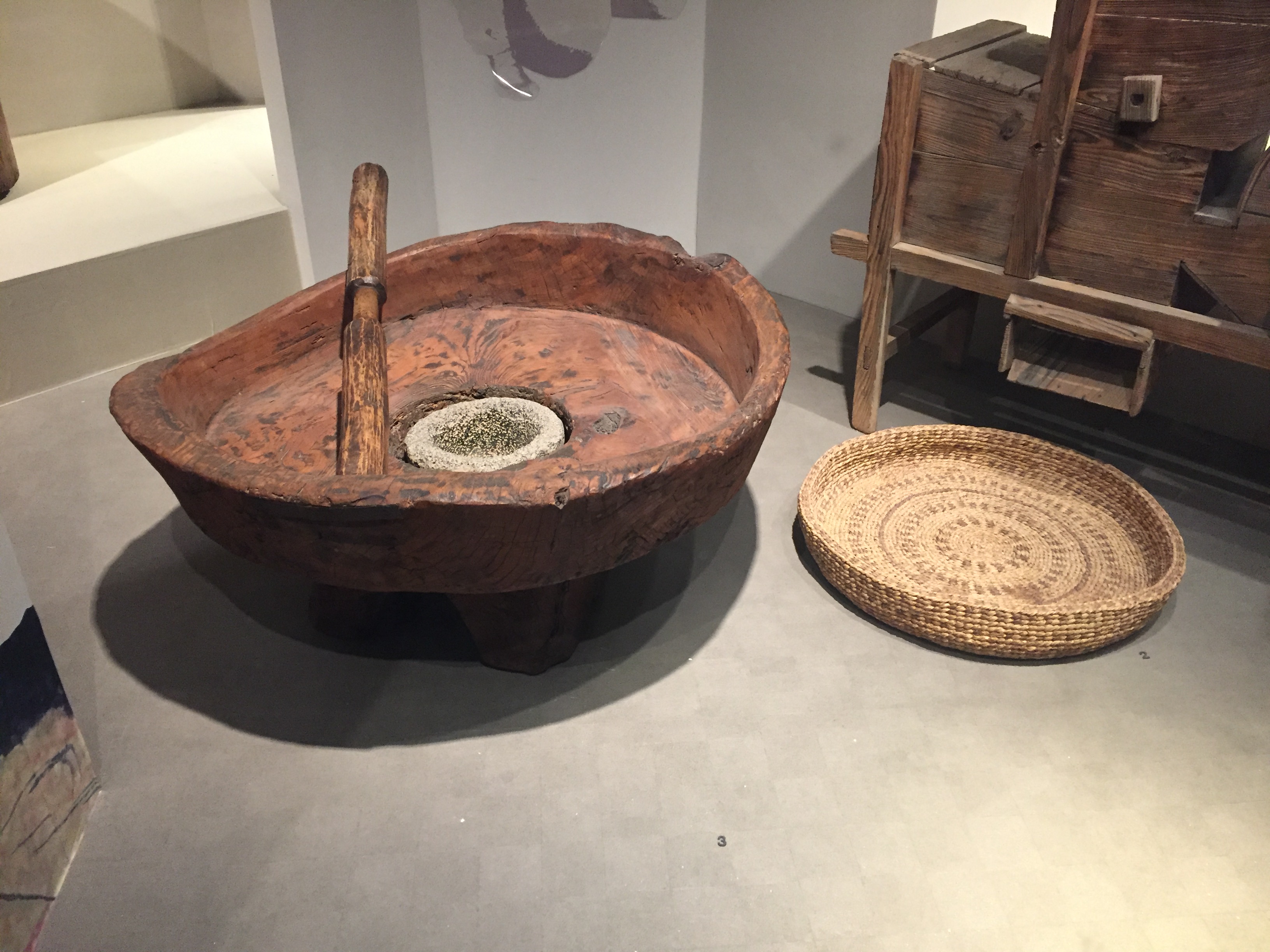
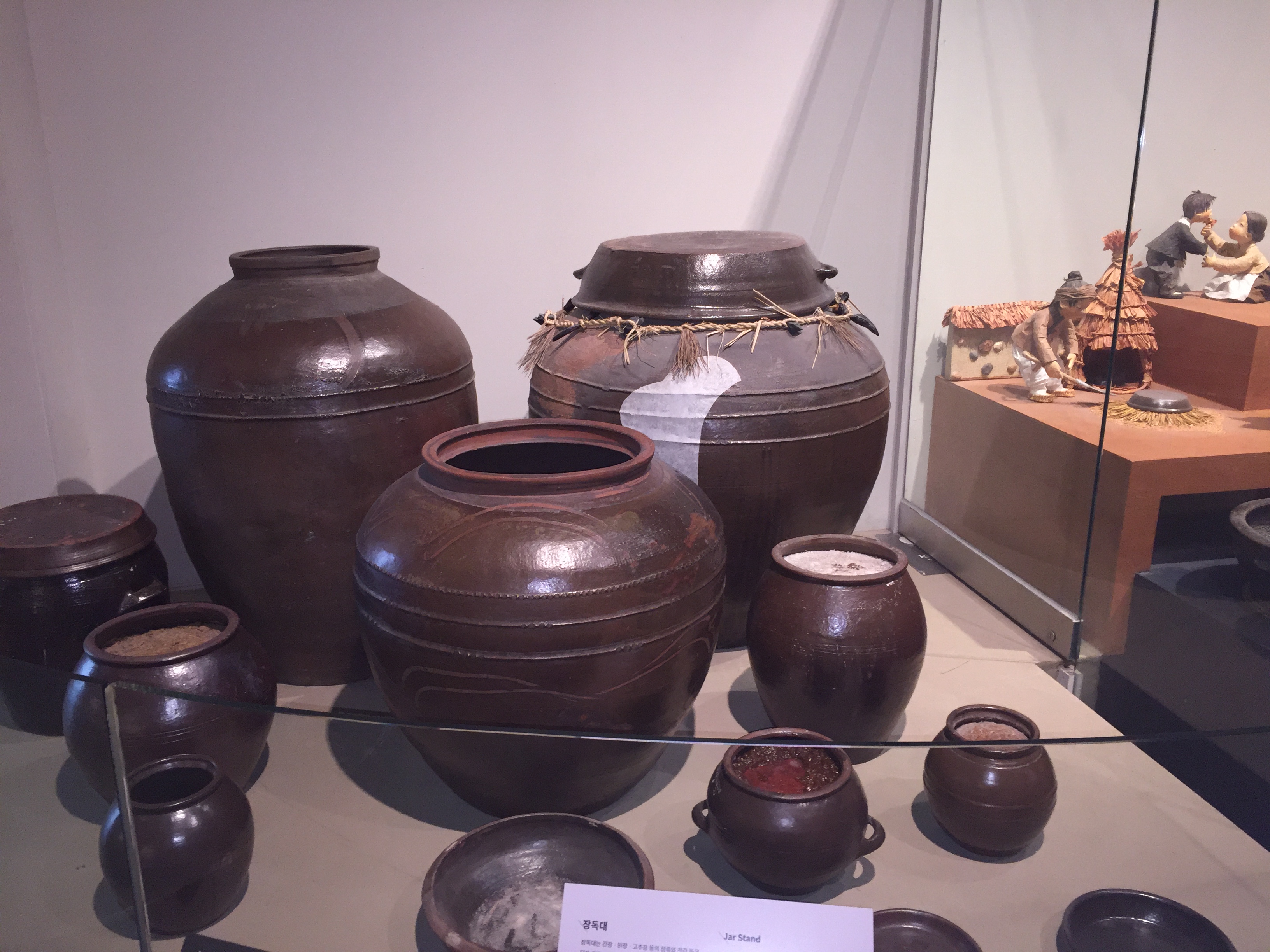
    A trip to the Folk Museum, which is situated by the vast Gyeongbokgung with its spacious courtyards and many ancillary buildings. The Folk Museum building is beautiful and spacious and within are displayed the common tools, farming implements, looms, bowls, kitchen aids used by the Folk. These are, of course, much cleaned up so that the functional beauty can be appreciated. Everything is brown, of wood or clay, practical and useful and attractive in it simplicity. Such a contrast to what you see in the Palaces Museum.


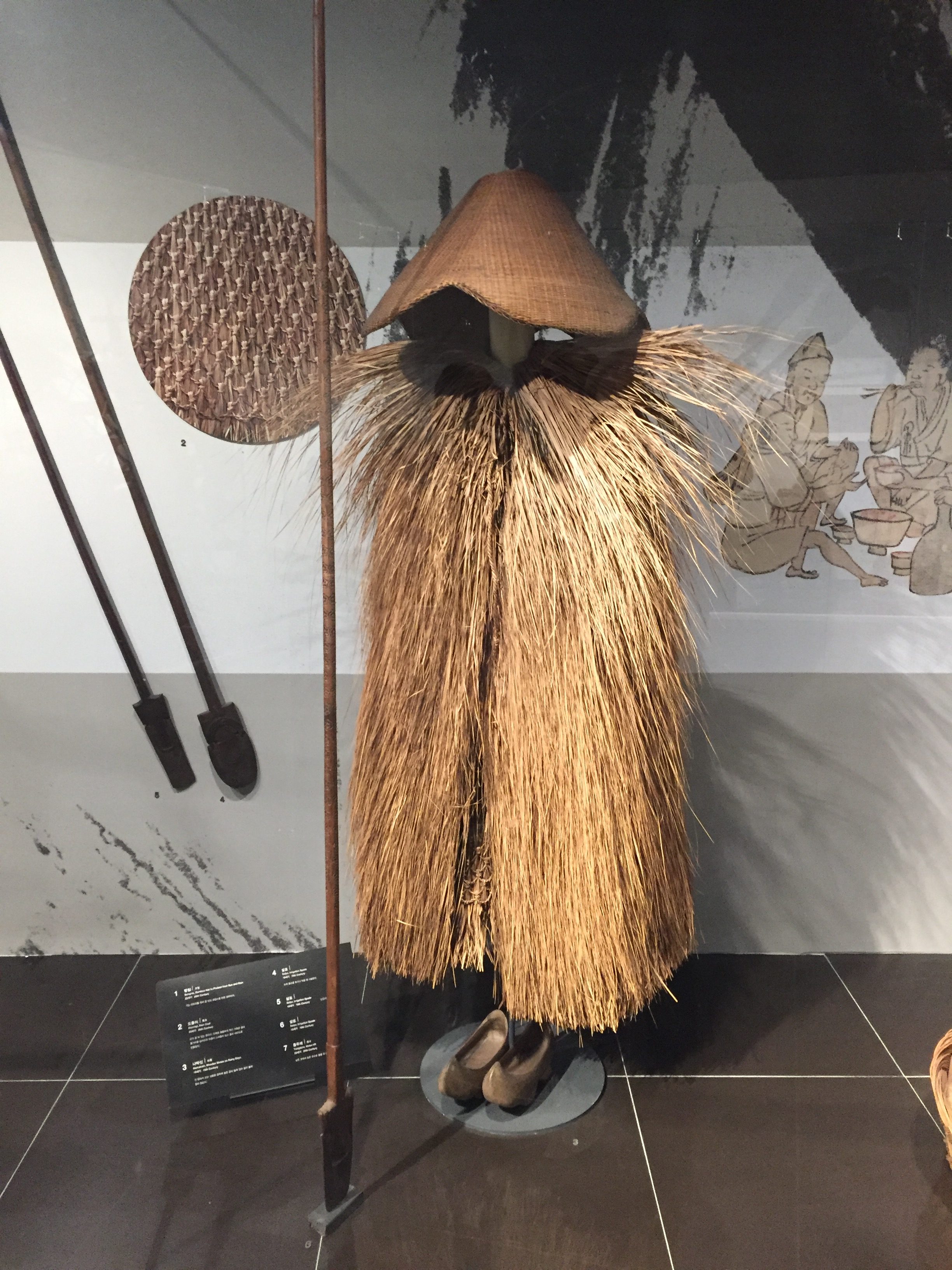
    But this is the way ninety percent of the people lived, so it is fitting that  their lives should be set out and recalled. Reproductions of the houses of the peasants and middle class are inside the museum as well as of the clothes worn by both classes. The Curator must have a sense of humor. Under the caption “Water Management” is set on a manikin a straw raincoat, just as were used in Japan and exactly like one worn by Clarence Gamble for a photo when he was in Japan. 


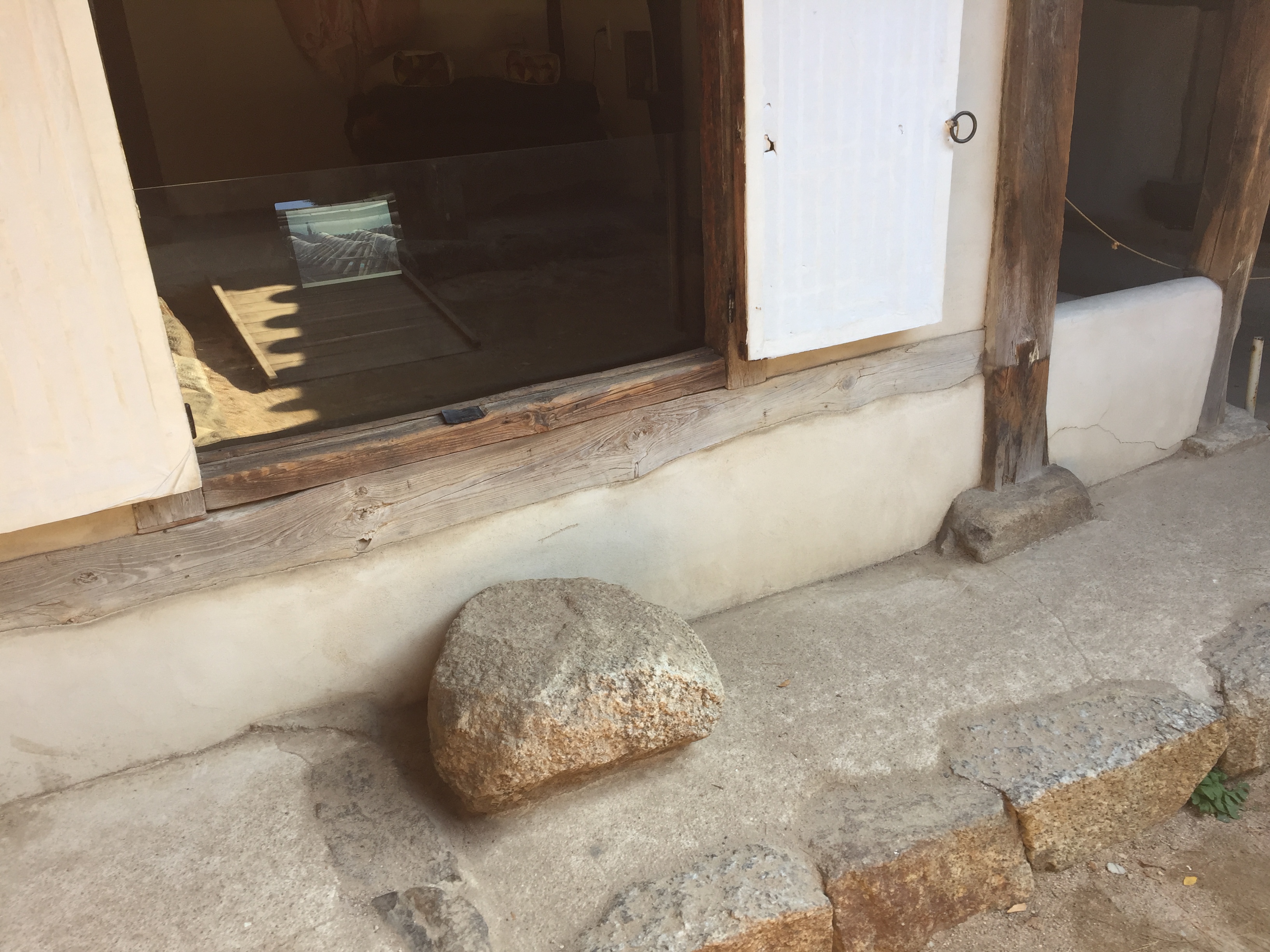
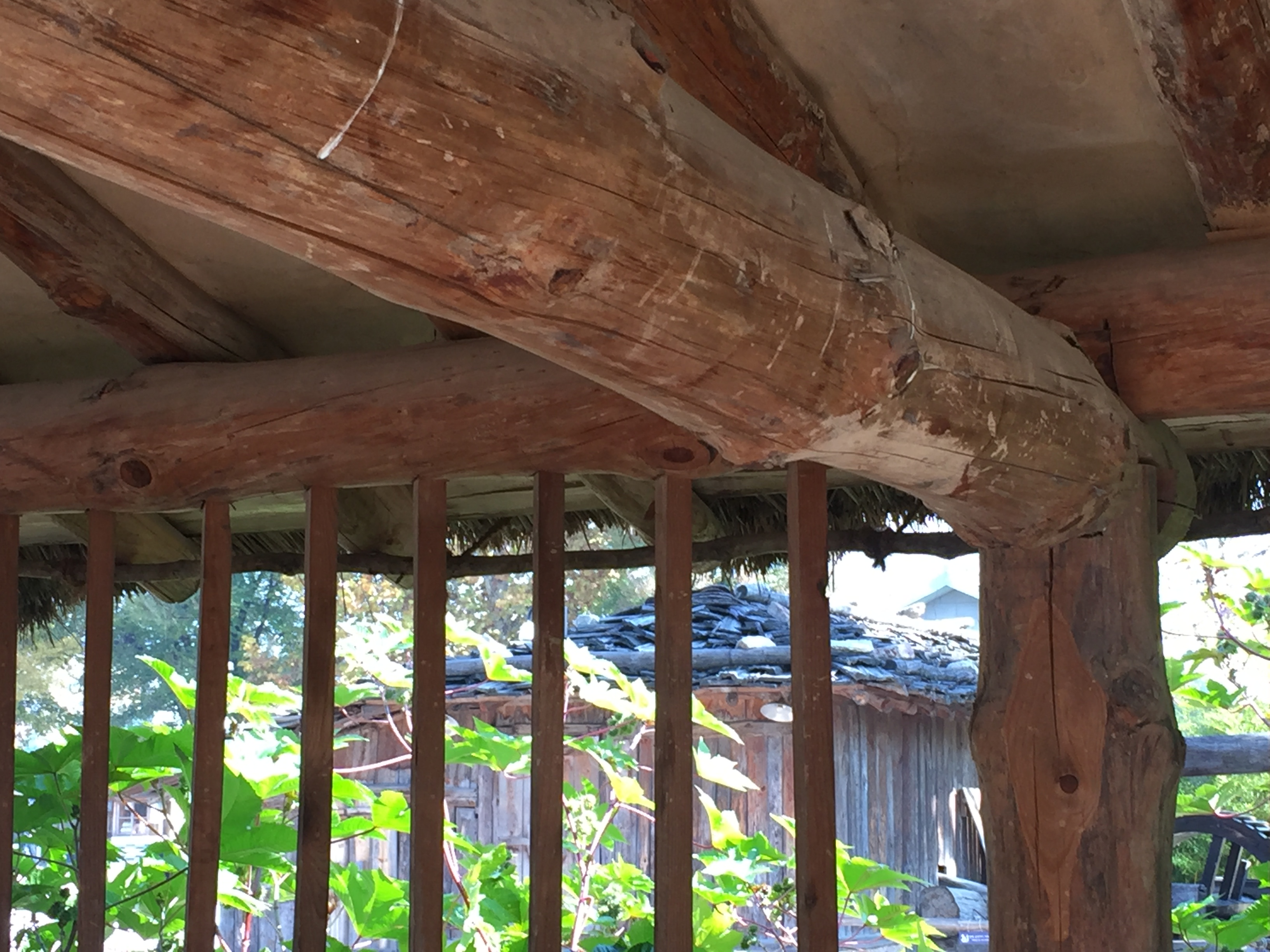
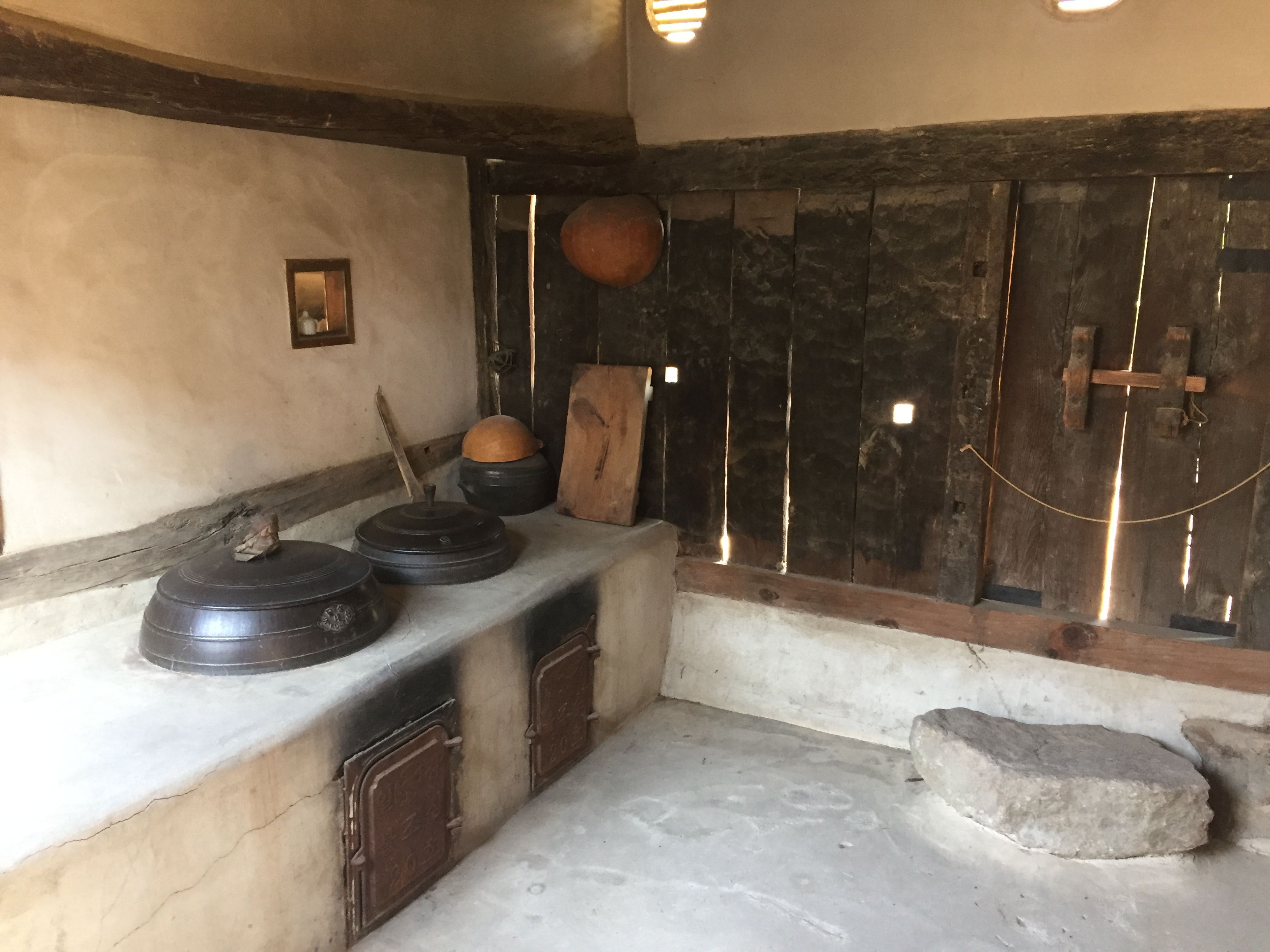
    It was pleasant and easy to walk through this spacious museum in the pleasant lighting on the polished floors amidst the order and cleanliness and streams of sunlight through the windows. It was a compelling experience to step outside and enter the reconstructed house of the lower class peasant: a rough stone foundation supporting small dark rooms set around a small courtyard with dirt floor. Dark brown wood and dark brown wooden rafters, windows in every room but small and the rooms more dark than light.The cold of the stones and the roughness of the swept dirt courtyard, the darkness, which kept things cool in the summer but oh! the winters must have been so very cold. Wood kept the kitchen stove burning and the kitchen might have been warm, but I did not see any fireplaces or stoves in the other rooms. There is much to be said for central heating.


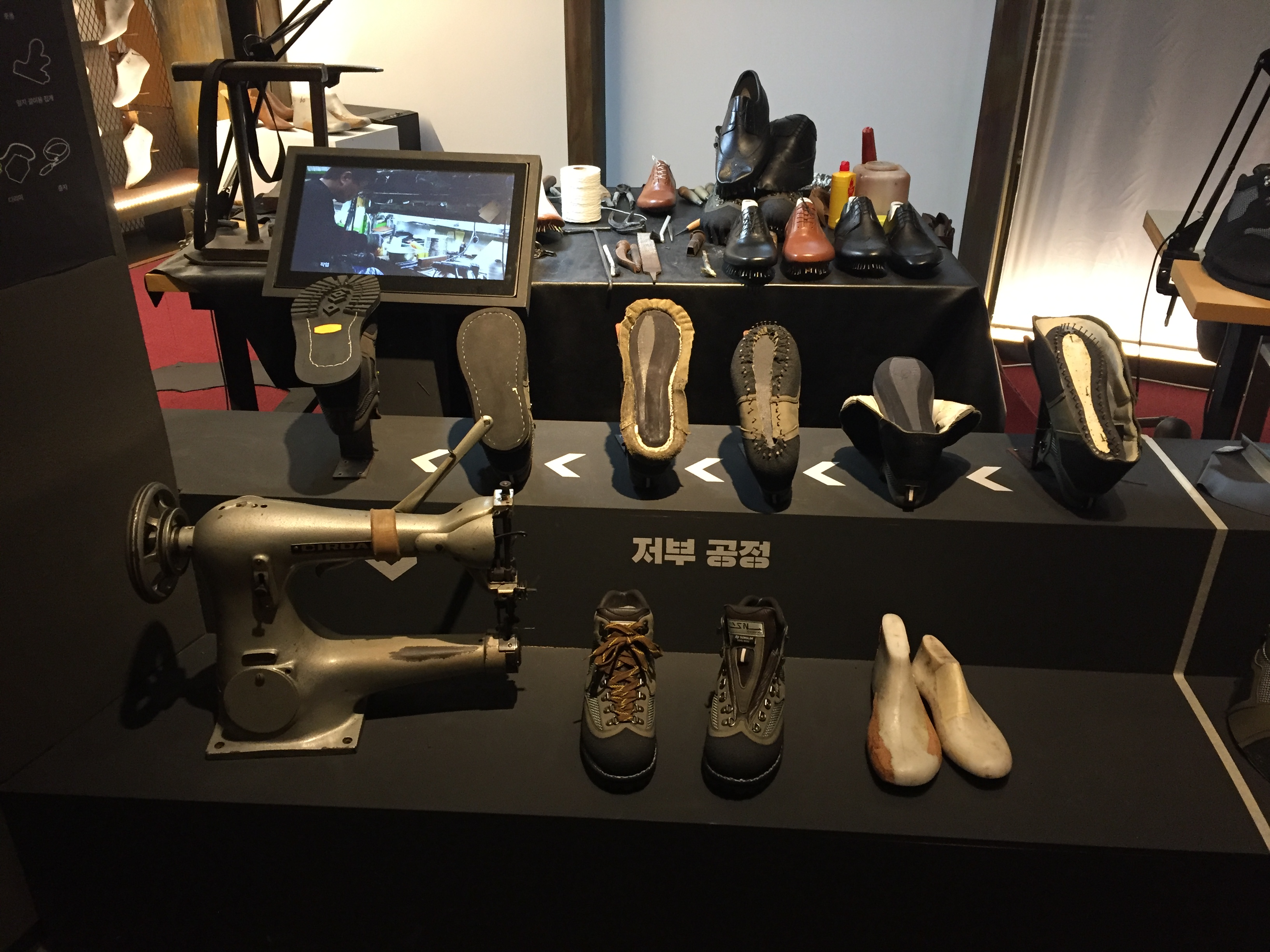
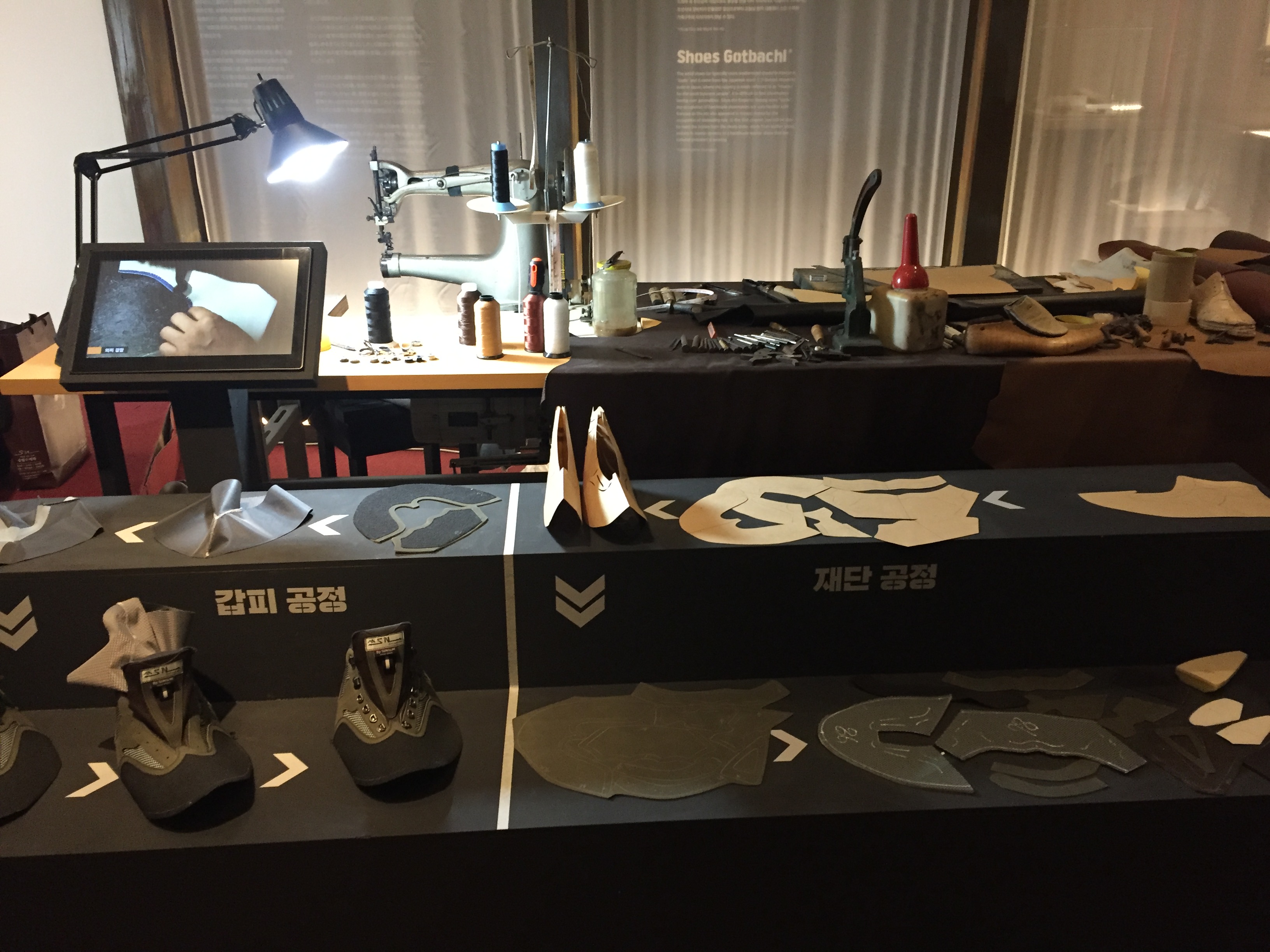
    Note to David and others interested in shoe-making. A large exhibit was devoted to shoe-making in the twentieth and twenty-first century. I did not see anything about the construction of the  straw sandals, which were such important footwear for centuries, but much about the highly constructed shoe of today. Curious!